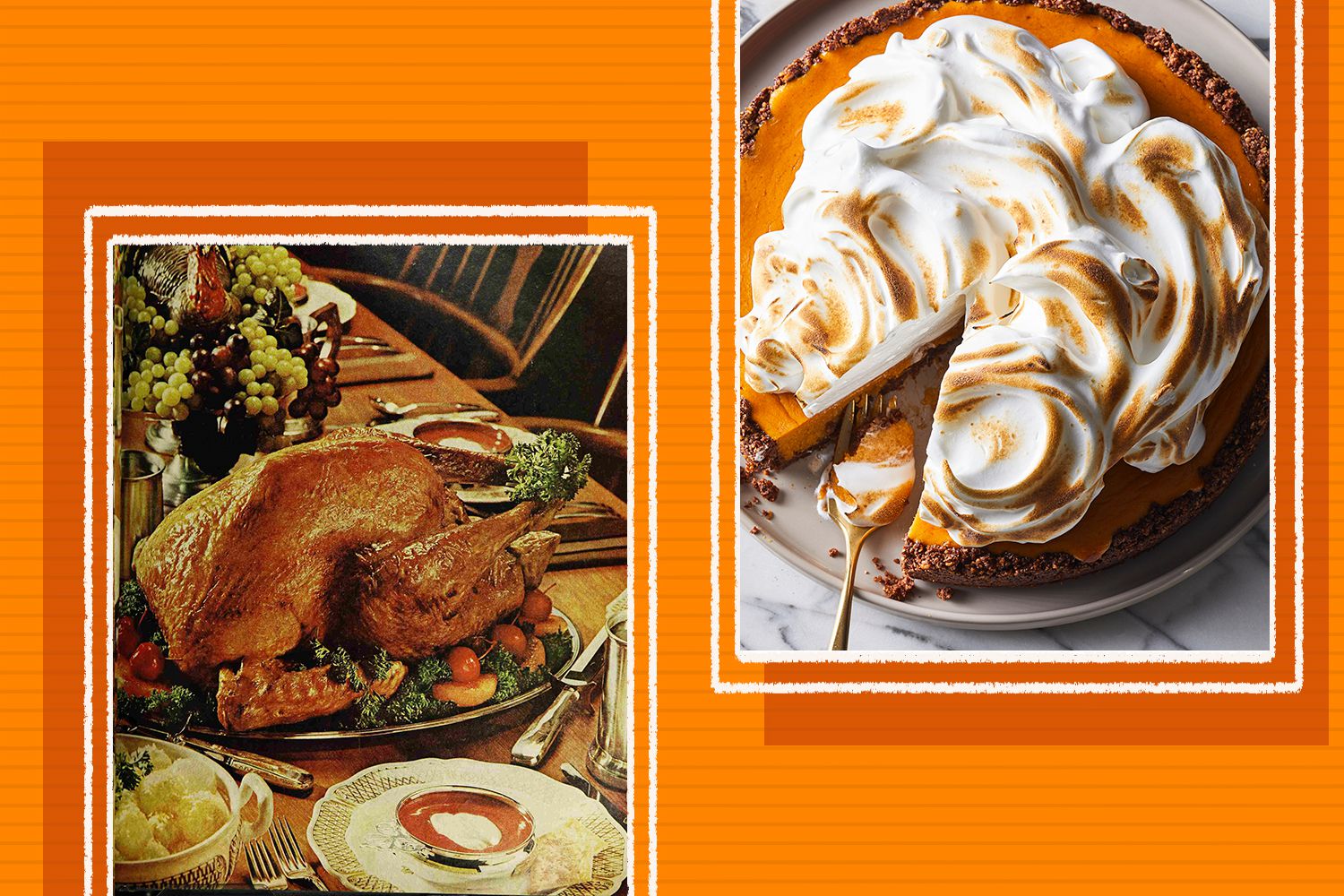
Thanksgiving is basically America’s most delicious time capsule. Every year we claim we’re “keeping it simple,” and every year we end up juggling five casseroles,
two kinds of potatoes, and one relative who insists the turkey is “done when it feels done.” (Spoiler: thermometers exist. We’ll get there.)
If you zoom out, the Thanksgiving table tells a bigger story than just “pass the gravy.” Over the past 100 years, recipes have changed because America changed:
new kitchen tech showed up, grocery stores got more convenient, budgets went up and down, immigration and travel expanded our flavor map, and food media evolved
from newspaper clippings to food blogs to a 20-second video of someone making stuffing in a waffle iron.
This is a decade-by-decade tour of the last century of Thanksgiving recipeswhat people cooked, why those dishes made sense at the time, and which classics refused
to leave the party (even when we tried to ghost them).
Why Thanksgiving Recipes Evolve (Even When We Swear They Don’t)
The Thanksgiving menu is tradition… plus a little bit of chaos. Here’s what’s been quietly reshaping it for a century:
- Convenience: Canned goods, boxed mixes, frozen vegetables, and ready-made pie crusts didn’t replace cookingthey changed what “homemade” meant.
- Economy and wartime realities: When ingredients were expensive or scarce, cooks got creative, stretched food, and leaned into practical dishes.
- Kitchen tech: Refrigerators, freezers, electric mixers, and reliable ovens made ambitious menus easierand leftovers safer.
- Media: Newspapers, brand recipe booklets, glossy magazines, TV chefs, and the internet all taught (and sold) America new “must-have” holiday dishes.
- Taste and identity: Regional traditions stayed strong, while new flavorsgarlic, soy sauce, chiles, citrus, fresh herbsstarted showing up as “modern classics.”
The Timeline: A Century of Thanksgiving, Decade by Decade
The 1920s: Canning Culture and “Modern” Holiday Cooking
The 1920s didn’t invent Thanksgiving, but they did help standardize it. As canning expanded and national brands spread, “holiday staples” became easier to find.
Pumpkin pie, for instance, began shifting from “stew your own pumpkin all day” to using canned pumpkinan early convenience upgrade that would become normal by the 1920s.
You also start seeing more seasonal grocery advertising pushing familiar items like canned pumpkin and cranberry products.
Recipe vibe: Classic roasts, bread-based stuffing, potatoes, simple vegetables, piesplus the first hints of “shortcut baking.”
The 1930s: Stretching Ingredients Without Stretching the Holiday
The Great Depression era rewarded thrift and resourcefulness. Dishes that used affordable staples (bread, potatoes, canned goods) made sense, and cooks became experts
at making a little feel like a lot. This period also loved molded and set dishesgelatin salads started rising in popularity between the 1920s and 1930s, partly because
they felt festive and could stretch ingredients with style.
Signature look: Salads and sides that could be made ahead, served cold, and still feel “special.”
The 1940s: Practical Cooking (With a Side of Patriotism)
Wartime and rationing shaped home cooking in the early 1940s. Families leaned into what was available, saved fats, and used substitutions. The Thanksgiving table stayed,
but recipes adapted: simpler desserts, more vegetable sides, and clever use of pantry goods. Even when restrictions eased, the habit of practical planning stuck.
Recipe vibe: Comfort food that respected budgets and availabilitymake-ahead dishes, hearty casseroles, and “use what you’ve got” ingenuity.
The 1950s: Convenience Foods Become the New Classics
If the 1950s had a motto, it might be: “Why cook one thing when you can assemble five?” This decade is when several now-legendary Thanksgiving staples took off because
they were fast, reliable, and used supermarket ingredients.
-
Green bean casserole became iconic after being created in a test kitchen in the mid-1950s, built around a can of cream-of-mushroom soup and a crispy topping.
It was easy, creamy, and nearly impossible to mess upan excellent holiday trait. -
Sweet potato casserole with marshmallows gained mainstream traction thanks to early 20th-century marshmallow marketing that turned a candy into a “topping.”
The dish survived because it lives in the sweet spot between side and dessertan identity crisis we somehow celebrate. - The TV dinner origin story traces back to a 1950s frozen turkey surplus that inspired a compartmentalized “Thanksgiving-style” mealproof that leftovers can change history.
Recipe vibe: Casseroles, creamy sauces, crisp toppings, and a proud embrace of the modern grocery aisle.
The 1960s: The Age of the “Company-Worthy” Side Dish
Mid-century entertaining loved foods that looked impressive on a serving platter. This era kept the casserole momentum going and leaned into molded salads, glossy glazes,
and “presentation” dishes. Thanksgiving sides became a stage: bright cranberry molds, shiny fruit salads, and vegetables dressed up like they were going to prom.
Recipe vibe: Make-ahead, visually tidy, and built for feeding a crowdoften with a few strategic shortcuts.
The 1970s: Back-to-Nature Meets Back-to-Seconds
The 1970s brought a stronger interest in “natural” foods and whole grains, while still keeping beloved comfort dishes. You’ll see more homemade bread stuffing, more fresh herbs,
and sometimes a nod to regional traditions (cornbread dressing in the South, oyster stuffing in coastal areas, wild rice dishes in the Midwest).
Recipe vibe: A little more from-scratch energy, a little more vegetable variety, and still plenty of butterbecause some values are bipartisan.
The 1980s: Big Flavor, Big Portions, Big Confidence
The 1980s Thanksgiving table leaned into abundance. More entertaining meant more appetizers, richer desserts, and showier centerpieces. This is also when “food expertise”
started becoming entertainmentcookbooks, TV segments, and glossy magazine spreads helped define what a “perfect” holiday meal looked like.
Recipe vibe: Bigger menus, bolder flavors, and a strong belief that whipped cream should be a food group.
The 1990s: Global Flavors Start Sneaking Into the Stuffing
By the 1990s, American cooking was increasingly influenced by global ingredients that were now easier to find: soy sauce, ginger, chile pastes, citrus, and fresh herbs.
Thanksgiving didn’t stop being classicit got options. You might see turkey with herb butter, stuffing with sausage and apples, or sides that borrow techniques from other cuisines.
This is also when turkey technique started getting more “scientific” in home kitchens. Brining became a popular topic, especially as food media pushed the promise of juicier meat.
Recipe vibe: Classic backbone, modern seasoning, and growing curiosity about technique.
The 2000s: Internet Recipes, Food Forums, and the Rise of the “Best Ever” Claim
The early 2000s brought a new Thanksgiving tradition: arguing online about the correct way to cook a turkey. Food sites, forums, and digital magazines made it easier to compare
methodswet brines, dry salting, herb rubs, spatchcocking, roasting bags, and more.
This era also super-charged make-ahead planning. People began building menus designed for less day-of stress: casseroles assembled the night before, gravy made early,
and pie crusts frozen in advance. The goal: spend more time with people, less time performing synchronized kitchen gymnastics.
The 2010s: Diet-Friendly Thanksgiving (Without Saying Goodbye to Comfort)
In the 2010s, “alternative” Thanksgiving options moved from niche to normal: gluten-free stuffing, dairy-free mashed potatoes, vegetarian mains, and lighter desserts.
At the same time, nostalgia surgedpeople wanted the flavors they grew up with, even if the ingredients changed.
Recipe vibe: Comfort foods, updated for different needs, with serious attention to flavor.
The 2020s: Flexible Traditions and the Anything-Goes Table
Today, the “correct” Thanksgiving menu is whatever makes your table happy. Some families go classic; others build a lineup of sides as the main event.
Friendsgiving and potluck-style celebrations encourage variety: one person brings stuffing, another brings mac and cheese, someone shows up with a salad that’s genuinely good,
and everyone pretends they didn’t also buy a backup pie.
Modern recipes also lean into sustainability and fewer-waste planning: smaller birds, smarter leftovers, vegetable-forward sides, and recipes that repurpose ingredients across dishes
(herb bundles used for turkey, gravy, and stuffing; roasted vegetables that become tomorrow’s soup).
The “Mount Rushmore” of Century-Spanning Thanksgiving Dishes
Turkey: From Guesswork to Thermometer Truth
Turkey is still the headline act, but technique has improved. The best modern upgrade is also the least dramatic:
use a food thermometer. The safe minimum internal temperature for poultry is 165°F, and checking the thickest parts helps prevent both undercooking
and the tragedy of “why is the breast so dry?”
A century ago, cooks relied more on time and intuition. Today, we can keep tradition and add accuracylike upgrading from a paper map to GPS, but with gravy.
Cranberry Sauce: The Great Divide (Homemade vs. Canned)
Cranberry sauce has been paired with turkey for a long timeearly American cookbooks documented cranberry preparations as a meat accompaniment. In the 20th century,
canned cranberry sauce became a holiday staple as cranberry growers worked to make the fruit available beyond its short season. That’s how the familiar ridged cylinder
earned its place on the table (and in endless family debates).
The genius of cranberry saucecanned or homemadeis that it’s not just sweet. It’s tart, bright, and cuts through rich foods like mashed potatoes and gravy.
It’s basically the table’s palate cleanser wearing a Thanksgiving costume.
Pumpkin Pie: Older Than Your Great-Grandparents’ Great-Grandparents
Pumpkin pie feels eternal, and in American cooking it almost is. Early American cookbooks included pumpkin-based pies, and by the 1700s pumpkin pie was so valued
in New England that shortages of key sweeteners could even affect holiday plans. Over time, canned pumpkin made the dessert easier and more consistent, which helped
pumpkin pie become the reliable grand finale we know today.
Green Bean Casserole: The Shortcut That Became a Tradition
Some dishes become classics because they’re ancient. Green bean casserole became a classic because it’s practical.
Built in a mid-century test kitchen to use pantry-friendly ingredients, it spread because it was quick, crowd-pleasing, and easy to scale for a big table.
It’s also the perfect Thanksgiving side: creamy, savory, and topped with something crunchylike the food equivalent of a cozy sweater.
How to Build a “Century Menu” Without Cooking for 100 Years
Want to honor the past and feed modern appetites? Build a menu that mixes eras. Here are three examples:
1) The Classic-Plus Menu (Tradition with Better Technique)
- Roast turkey (thermometer-guided)
- Bread stuffing with herbs (add sautéed onions/celery like many vintage recipes)
- Mashed potatoes and gravy
- Cranberry sauce (homemade or cannedthis is a judgment-free zone)
- Pumpkin pie
2) The Mid-Century Comfort Menu (1950s–1960s Greatest Hits)
- Turkey plus a rich gravy
- Green bean casserole
- Sweet potatoes with a nostalgic topping (yes, marshmallows count as nostalgia)
- A retro salad (updated for modern tastethink citrus and nuts instead of neon gelatin)
- Pie and whipped cream, obviously
3) The Modern Remix Menu (2010s–2020s Flexible Traditions)
- Turkey or a smaller main (or a hearty vegetarian centerpiece)
- Stuffing with bold flavors (herbs, mushrooms, sausage, or a regional twist)
- Roasted vegetables (crispy edges, bright lemon, lots of herbs)
- A “new classic” side: mac and cheese, Brussels sprouts, or a crunchy salad
- Two desserts: one classic, one playful
What 100 Years of Recipes Can Teach You About Cooking Today
- “Traditional” often started as a shortcut. Some beloved dishes were born in test kitchens or brand bookletsand then became family heritage.
- Balance matters. Rich dishes need tart or fresh ones (hello, cranberry sauce; hello, salad you didn’t think you wanted).
- Texture is a secret weapon. Crunchy toppings, crisp-edged roast veggies, fluffy rollspeople remember contrast.
- Safety and confidence are modern gifts. A thermometer and a plan make the meal less stressful and more consistent.
- Thanksgiving is allowed to be personal. The “right” menu is the one your people actually enjoy.
Conclusion: Tradition Isn’t a MuseumIt’s a Potluck
Over the last century, Thanksgiving recipes have moved with the times: from early convenience baking to Depression-era ingenuity, from mid-century casseroles to
internet-optimized “best ever” stuffing. Yet the core goal hasn’t changed: gather people, cook something comforting, and create a meal worth remembering.
So whether your table is crowned with a perfectly roasted turkey or an aggressively beloved casserole, you’re participating in a living food traditionone that’s
been remixing itself for 100 years and will keep evolving as long as someone says, “We should do Thanksgiving at our place this year.”
100 Years at the Table: The Experiences That Make the Recipes Matter (Extra)
If you want the truth, “100 years of Thanksgiving recipes” isn’t really about the recipes. It’s about the moments that happen around thembecause no one ever tells a
heartwarming story that starts with, “And then we carefully measured two teaspoons of salt.”
Think about how Thanksgiving smells before it even tastes like anything: onions and celery softening in butter, sage warming up in the air, and that unmistakable
roasted-turkey aroma that makes the whole house feel like a cozy sweater. Someone’s always in charge of “just checking” the turkey (translation: opening the oven
every nine minutes like it’s a microwave), while someone else is guarding the gravy like it’s a family heirloom.
Then there’s the soundtrack: the clatter of serving spoons, the thump of a cutting board, the faint panic of realizing you forgot one ingredient, and the reassuring
wisdom of a relative who says, “It’ll be fine,” even though they have absolutely no evidence. That’s a Thanksgiving tradition tooconfidence as seasoning.
Every family has a dish that’s less “culinary masterpiece” and more “emotional support casserole.” Maybe it’s green bean casserole, the one that shows up year after year
like a dependable friend who’s never late. Maybe it’s cranberry sauce, and the debate is part of the ceremony: homemade fans explaining the brightness and texture,
canned fans proudly sliding the ridged cylinder onto a plate like it’s a trophy. Nobody is converted. Everyone is entertained.
And then there’s the way recipes become time machines. Someone makes the stuffing exactly the way their grandmother did, not because it’s the only way stuffing can exist,
but because it tastes like a particular kitchen and a particular laugh and a particular kind of holiday warmth. Someone else brings a “new” dishmaybe roasted Brussels sprouts
with lemon, maybe a modern twist on sweet potatoesand suddenly that recipe becomes the one everyone asks for next year. That’s how traditions are born: not by being ancient,
but by being loved.
Even the mishaps are part of the experience. A slightly overbrowned roll. A pie that cracks (still delicious). A turkey that finishes early and rests like a champ, making
the host feel like a superhero. Or the opposite: a turkey that takes longer than expected, prompting the classic Thanksgiving snack phase where people “just nibble” on
appetizers until dinner is basically a second dinner.
And the leftoversoh, the leftoversare their own chapter in the century story. A turkey sandwich the next day can feel like the holiday kept going, but in sweatpants.
The same flavors show up again, softer, cozier, and somehow even more comforting because the pressure is gone. That’s the real magic: Thanksgiving recipes aren’t just
food. They’re repeatable memories. A hundred years’ worth of proof that the best dishes are the ones that bring people back to the table.