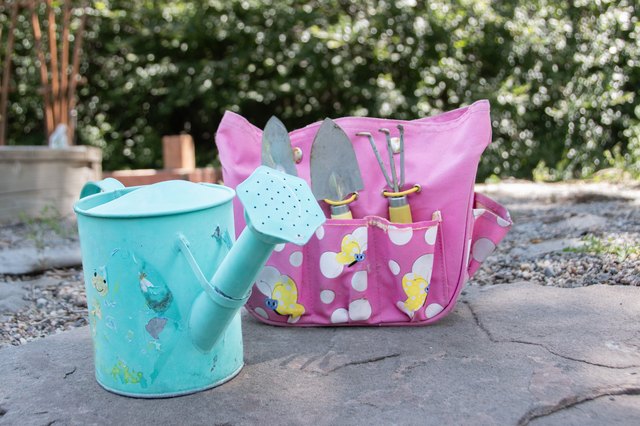
Summer has a sneaky way of turning “I’m bored” into a household soundtrack. Fortunately, a packet of seeds, a little soil, and permission to get gloriously dirty can change the tune. Gardening gives children something real to do: plant, water, measure, investigate, taste, build, decorate, and occasionally apologize to a worm they startled.
The best summer gardening projects for kids are not miniature versions of adult chores. They are short, hands-on adventures with visible results. A preschooler may enjoy filling pots and misting seedlings, while an older child may want to design a pollinator garden, build a bean teepee, or conduct a soil-moisture experiment. The goal is not a flawless landscape. It is curiosity, ownership, and enough success to make everyone eager to return tomorrow.
Why Gardening Is a Great Summer Activity for Children
A garden is part science lab, part art studio, part snack bar, and part mud-management challenge. Children can observe roots, leaves, flowers, insects, weather, decomposition, and food production without needing a worksheet to make the experience meaningful.
Gardening also creates natural opportunities to practice patience, responsibility, problem-solving, and teamwork. Garden-based nutrition programs help children understand where food comes from and may make unfamiliar fruits, vegetables, and herbs feel less intimidating. A child who refuses a store-bought radish may still proudly taste one that emerged from a plot named “Radish Headquarters.”
Research basis: Penn State Extension, University of Minnesota Extension, USDA school-garden resources, and National Wildlife Federation guidance.
Before You Plant: Set Kids Up for Success
Start Small and Keep the Garden Visible
A child’s first garden does not require long rows, expensive raised beds, or a wheelbarrow with emotional baggage. A large pot, window box, fabric grow bag, recycled bucket with drainage holes, or one sunny corner of an existing bed is enough.
Place the project where children will see it regularly. A container beside the back door is more likely to be watered than a lonely pot hidden behind the garage.
Offer Real but Manageable Choices
Let children choose two or three plants, name the garden, decorate markers, and divide the jobs. Adults can quietly narrow the choices to plants suited to the local climate, summer temperatures, sunlight, and available space.
Match Jobs to the Child
Young children can scoop soil, plant large seeds, water with a small can, collect leaves, and harvest sturdy produce. Older children can read seed packets, measure spacing, tie vines, photograph progress, identify insects, and keep a garden journal. Age-appropriate tasks make the garden feel like the child’s project rather than an adult project staffed by tiny unpaid interns.
Research basis: KidsGardening container guidance and Penn State Extension recommendations for child-friendly tasks.
10 Fun Summer Planting and Gardening Projects for Kids
1. Plant a Speedy Results-Now Garden
Children do not always find “check again in fourteen weeks” motivating. Begin with plants that germinate or develop quickly, such as radishes, bush beans, zinnias, nasturtiums, basil, and lettuce during mild weather.
Measure seedlings every few days, count new leaves, or take a daily photo from the same angle. The activity introduces observation and data collection while still feeling like a mission to discover whether the plant did anything exciting overnight.
2. Build a Sunflower Fort
Mark a circle or horseshoe in a sunny area, leaving a doorway. Plant tall sunflower varieties around the outline according to the spacing on the seed packet. As the plants grow, children gain a leafy hideout topped with enormous flowers.
Families with limited space can grow compact sunflowers in large containers. Sunflowers are especially engaging because their dramatic growth is easy to see and measure.
Sunflower forts and child-friendly varieties are recommended by Illinois and Penn State Extension.
3. Create a Bean Teepee
Push several sturdy bamboo poles or branches into the soil in a circle and secure them near the top. Plant pole beans around the outside, leaving an opening as a doorway. Gently guide young vines toward the supports as they grow.
Children can sit inside the teepee, search for flowers, count beans, and observe how vines climb. Adults should make sure the structure is stable and that no sharp pole ends are exposed.
4. Grow a Pizza Garden
Plant ingredients commonly used on pizza, such as cherry tomatoes, basil, oregano, parsley, and sweet peppers. Divide a round bed into “slices,” or group several containers together and add a sign reading “Pizza Loading.”
Use the harvest on flatbreads, English-muffin pizzas, pasta, or salads. Wash everything under running water, and teach children to eat only plants that a supervising adult has positively identified as edible.
5. Make a Rainbow Container Garden
Choose plants in several colors: red cherry tomatoes, orange nasturtiums, yellow marigolds, green basil, purple beans, and violet flowers suited to your region. Arrange separate pots in rainbow order or combine compatible plants in one large container.
Younger children can sort seed packets by color. Older kids can sketch a planting plan and predict which colors will appear first. Marigolds are particularly beginner-friendly because they grow quickly and bloom reliably in full sun.
Plant suggestions draw on Penn State and University of Minnesota Extension resources.
6. Design a Sensory Herb Garden
Fill pots with plants that invite careful touching and smelling. Good options may include basil, thyme, rosemary, sage, lemon balm, lavender, and mint. Keep mint in its own container unless you want it to become the unelected mayor of the yard.
Ask children to describe each plant without naming it. Does it smell citrusy, spicy, sweet, earthy, or pine-like? Is the leaf smooth, fuzzy, thick, or delicate? Verify plant identity and possible skin sensitivities before allowing children to touch or taste anything.
Sensory gardens and durable herbs are highlighted by Penn State and Illinois Extension.
7. Start a Pollinator Pit Stop
Dedicate a sunny pot or garden patch to flowering plants that provide nectar or pollen. Native species adapted to the region are often excellent choices. A local Cooperative Extension office or native-plant organization can recommend suitable varieties.
Add a shallow dish filled with pebbles and water so insects have safe landing places. Children can record visits from bees, butterflies, beetles, moths, or hummingbirds without touching or chasing them. Avoid pesticides whenever possible; a pollinator garden should not come with a chemical plot twist.
Pollinator guidance is based on USDA and National Wildlife Federation resources.
8. Make Responsible Seed Balls
Mix regionally appropriate flower seeds with damp clay and a small amount of finished compost or clean potting material. Roll the mixture into small balls, allow them to dry, and place them on prepared soil in an approved garden area.
Do not throw seed balls into parks, natural areas, vacant lots, or someone else’s property. Avoid mystery wildflower mixes that may contain plants poorly suited to the local ecosystem. The goal is responsible planting, not botanical confetti.
9. Build a Bottle Compost Viewer
Use a clear container with adult-made ventilation holes. Add thin layers of moist leaves, shredded paper, plant trimmings, and fruit or vegetable scraps. Keep out meat, dairy products, oily foods, pet waste, and anything moldy enough to demand its own zip code.
Children can draw the layers on the first day and compare them later. The project introduces decomposition, moisture, airflow, recycling, and the tiny organisms that transform scraps into a soil-building material.
Penn State Extension provides child-friendly compost-in-a-bottle guidance.
10. Go on a Garden Detective Hunt
Create a checklist that includes a chewed leaf, a flower bud, a winged insect, a smooth rock, a seedpod, something fragrant, and evidence of a bird. Give children a magnifying glass, camera, or clipboard and encourage them to observe before touching.
Turn each discovery into a question. What made the hole in the leaf? Why is one pot drier than another? Which flowers receive the most visitors? A detective hunt keeps children engaged when nothing is ready to harvest and the garden appears to be “thinking about it.”
Observation activities and bug hunts are recommended by Illinois Extension and KidsGardening.
Kid-Friendly Summer Garden Safety
Plan Around Heat and Sun
Garden early in the morning or later in the day when possible. Provide drinking water, shade breaks, lightweight clothing, closed-toe shoes, and appropriate sun protection. Stop immediately if a child becomes unusually tired, dizzy, confused, nauseated, weak, or overheated. Young children are more vulnerable to heat-related illness, so adults should monitor conditions rather than waiting for complaints.
Keep Chemicals and Toxic Plants Away
Use nonchemical pest controls first, such as removing damaged leaves, hand-picking pests, improving airflow, or using physical barriers. Store fertilizers, pesticides, treated seeds, and sharp tools where children cannot reach them.
If a pesticide must be used, follow the product label exactly and keep children, toys, and pets away for the specified period. Confirm that plants in child-accessible areas are safe. Some ornamental plants and plant parts are toxic, so establish one firm rule: no tasting without adult identification and approval.
Harvest and Wash Carefully
Use clean harvest containers, wash hands after gardening, and rinse fruits, vegetables, and herbs under running water before eating. Avoid fresh manure in areas where children grow food. Adults should inspect the site for animal waste, broken glass, sharp stakes, rusty metal, standing water, and other hazards.
Safety guidance: USDA food-safety recommendations, EPA pesticide precautions, and CDC sun and heat guidance.
How to Keep Kids Interested After Planting Day
Planting is dramatic. Maintenance is where attention sometimes wanders off in search of a popsicle. Keep garden checks brief. Five or ten minutes is enough to touch the soil, water if needed, inspect leaves, and record one change.
Create rotating jobs with titles such as Water Wizard, Bug Reporter, Harvest Captain, and Official Plant Photographer. Celebrate the first sprout, flower, pollinator, vegetable, and hilariously misshapen carrot.
Do not immediately fix every mistake. Overwatered soil, crowded seedlings, or a drooping plant can lead to useful questions. Help children test a solution rather than delivering a lecture. Gardens are allowed to be imperfect; that is where much of the learning lives.
A 500-Word Summer Garden Experience: What the Season Can Feel Like
The following is a realistic composite experience based on common family gardening projects, not a claim about one specific household.
Week One: The Grand Dirt Event
The children begin with tremendous confidence and limited respect for the borders of a tarp. Potting mix reaches the patio, their shoes, and somehow the dog. Each child chooses a container and plants something fast: radishes, bush beans, basil, or zinnias. They paint markers, negotiate ownership of the green watering can, and finish by giving every pot approximately the water volume of a small lake.
The adult quietly empties the saucers, checks the drainage holes, and explains that seeds need moisture, not a swimming program. Everyone predicts which seed will sprout first. The pots receive names, including “Beanjamin,” “Sir Radish,” and one basil plant called “Kevin” for reasons nobody can explain.
Week Two: Tiny Green Proof
The first sprouts appear. The children race outside each morning and discover that seedlings can change noticeably in twenty-four hours. They measure stems, draw the first leaves, and compare containers.
One pot remains empty, creating a useful mystery. Were the seeds planted too deeply? Did birds find them? Is the soil too wet? Instead of declaring failure, the children replant half the pot and leave the other half alone. The garden becomes an experiment, and a child who showed little interest in planting becomes the official sprout counter.
Week Four: The Bug Negotiations
A chewed leaf causes mild outrage. The children search beneath the foliage and find a caterpillar, ants, and a lady beetle. They learn that not every insect is a villain and not every damaged leaf requires emergency intervention. A magnifying glass turns a ten-minute garden check into a half-hour safari.
They add flowers near the vegetables and begin a pollinator tally. Bees visit the zinnias. A butterfly pauses on a warm wall. The children want to name every visitor, but the bee declines to participate in the paperwork.
Week Six: The First Harvest
The first radishes are ready. One is round and respectable; another resembles a tiny red question mark. The children wash them and conduct a tasting. Reactions range from “crunchy and spicy” to a facial expression usually reserved for shocking movie endings.
Even the child who dislikes the flavor is proud of growing real food. Basil goes onto pizza, beans disappear during the walk from garden to kitchen, and zinnias become a table bouquet. The harvest is not enormous, but ownership changes the mood. Food from “our garden” receives more attention than food that arrived anonymously in a plastic bag.
Late Summer: Seeds, Stories, and Plans
By late summer, some plants look tired, some are thriving, and one container has become an unauthorized weed sanctuary. The children collect dry flower heads, save appropriate seeds, photograph their favorite moments, and decide what they would change next year.
They request more strawberries, fewer radishes, and a bean teepee large enough to admit adults only after payment of three cherry tomatoes. The biggest success is not a perfect harvest. It is the habit of noticing: whether the soil is dry, which insect is on a flower, how a tomato smells in the sun, and how much can grow from something small enough to lose in a pocket.
Summer eventually ends, but the children now understand that a garden is not merely scenery. It is a living story they can help writeone seed, muddy shoe, surprising bug, and oddly shaped vegetable at a time.
Conclusion: Let the Garden Be Playful
Fun summer planting and gardening projects for kids work best when adults lower the pressure and increase the opportunities for discovery. Start small, choose quick-growing plants, give children genuine responsibilities, and include activities involving building, tasting, smelling, measuring, decorating, and observing wildlife.
Some seeds will not sprout. A squirrel may conduct an unauthorized excavation. A tomato hornworm may appear with the confidence of a tenant who signed a lease. None of that ruins the project. Children learn from the surprises, the mistakes, the first harvest, and the daily evidence that patient care can turn a tiny seed into something remarkable.
Note: This original article synthesizes practical guidance from reputable U.S. Cooperative Extension programs, federal agencies, KidsGardening, and the National Wildlife Federation. No source text has been copied verbatim.