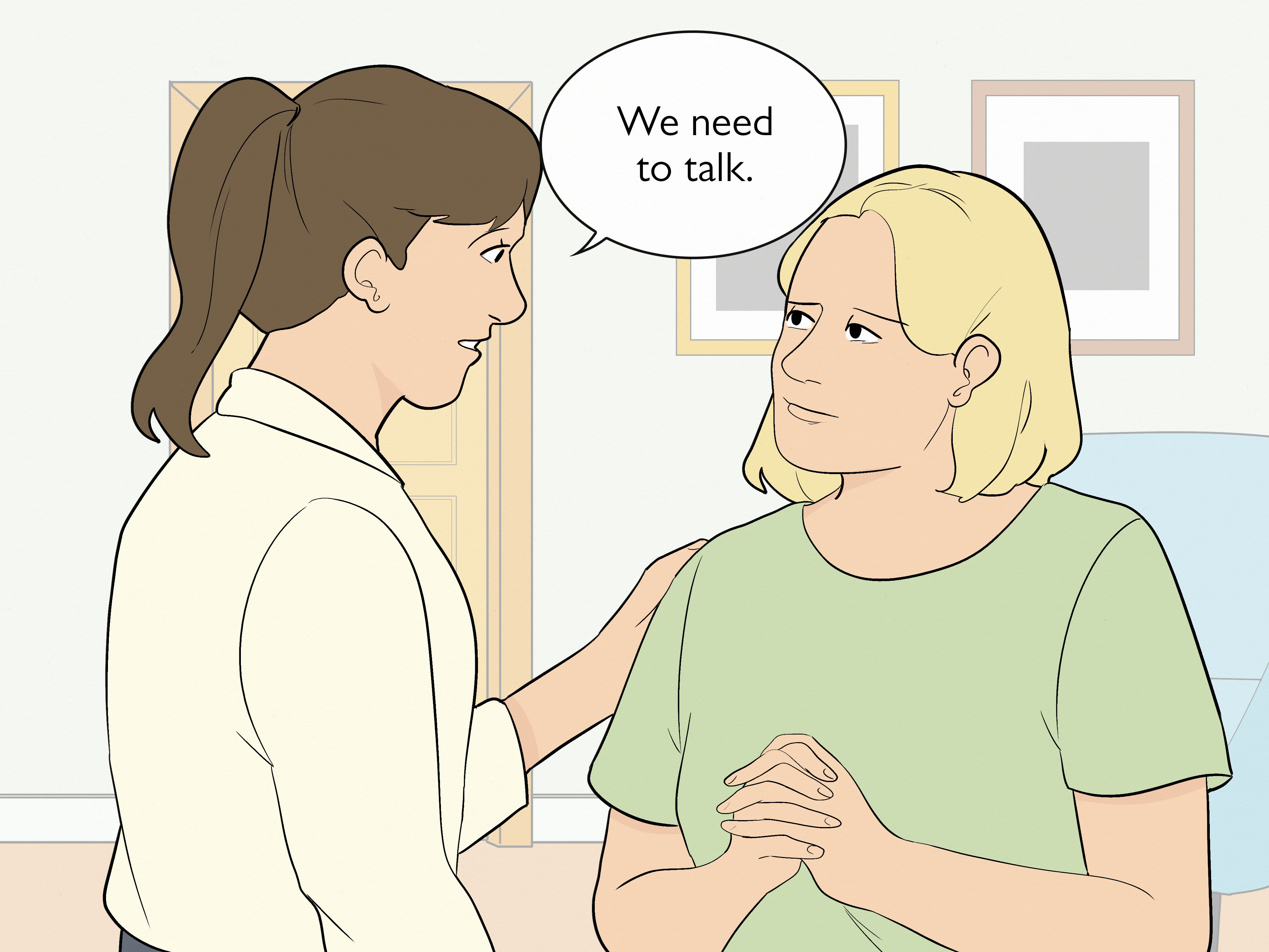
Few phrases can make a person’s stomach drop faster than “We need to talk.” It is only four words, yet somehow it arrives wearing a black cloak, holding a tiny thundercloud, and carrying the emotional energy of a calendar invite titled “urgent.” Even when nothing terrible is coming, the phrase sounds dramatic enough to make someone mentally review every mistake they have made since middle school.
That is why finding another way to say “we need to talk” matters. The goal is not to avoid serious conversations. Important conversations are healthy, necessary, and sometimes overdue. The goal is to start them in a way that feels clear, calm, and respectful instead of mysterious, scary, or accidentally cinematic.
Whether you are texting a friend, speaking with a partner, checking in with a coworker, setting a boundary, or preparing for a family conversation, the opening line sets the temperature. A softer, more specific phrase can reduce anxiety and make the other person more willing to listen. Below are 45 practical alternatives to “we need to talk,” plus examples, tone tips, and real-life experience notes to help you choose the right words without sounding like a corporate robot or a villain in a soap opera.
Why “We Need to Talk” Sounds So Intense
The phrase “we need to talk” is not technically rude. It is direct. The problem is that it gives almost no context. Because the listener does not know whether the topic is a forgotten chore, a friendship issue, a breakup, a work mistake, or a surprise birthday party gone suspiciously serious, their brain fills in the blanks. And brains, bless them, are terrible screenwriters. They usually choose the worst possible plot.
Clear communication works better when it includes three things: the topic, the tone, and the timing. Instead of dropping a vague emotional grenade, try saying what the conversation is about and when you would like to have it. For example, “Can we talk tonight about our weekend plans?” feels much calmer than “We need to talk.” Same request, fewer imaginary sirens.
Good alternatives also avoid blame. Starting with “you always” or “you never” can make the other person defensive before the conversation even begins. A better approach is to use “I” statements, name the issue, and invite dialogue. That does not mean you have to sugarcoat everything until it becomes emotional frosting. It means you can be honest without turning the opening sentence into a wrestling match.
How to Choose the Right Alternative
Before picking a phrase, ask yourself three quick questions: What is the relationship? How serious is the topic? What do I want the other person to feel before the conversation begins? A workplace chat needs a different tone from a friendship check-in. A quick clarification does not need the same emotional weight as a boundary-setting conversation.
Use a gentle phrase when the relationship matters
If the person is a friend, partner, sibling, parent, or someone you care about, choose language that signals safety. A phrase like “Can we check in about something?” tells them the conversation matters, but it does not make them feel like they are being summoned to emotional court.
Use a specific phrase when the topic is practical
If the issue is about schedules, money, responsibilities, plans, or expectations, mention the topic right away. “Can we talk about the budget later today?” is better than “We need to talk,” because it gives the other person a map instead of a mystery.
Use a direct phrase when the issue is serious
Some conversations should not be hidden behind fluffy language. If something important needs attention, be respectful but clear. “There’s something important I’d like to discuss with you” is serious without being dramatic. It says, “Please pay attention,” not “Please panic immediately.”
45 Better Ways to Say “We Need to Talk”
Here are 45 options organized by tone and situation. You can use them in person, over text, by email, or as a starting line before a deeper conversation.
Gentle and Reassuring Alternatives
- “Can we check in about something?” This is warm, simple, and less alarming than the original phrase.
- “I’d like to talk something through with you.” This suggests collaboration instead of confrontation.
- “Can we have a quick conversation when you have time?” Great when the topic is important but not urgent.
- “There’s something on my mind that I’d like to share.” Useful for emotional honesty without pressure.
- “Can we talk for a few minutes later?” Casual, clear, and not too heavy.
- “I want to make sure we’re on the same page.” Perfect for plans, expectations, or mild misunderstandings.
- “Can we clear something up?” Good for confusion, mixed signals, or small tension.
- “I’d appreciate a chance to talk this through.” Polite and thoughtful, especially for sensitive subjects.
- “Could we set aside a little time to chat?” Soft, flexible, and respectful of the other person’s schedule.
- “I’d like to understand your side better.” This shows openness instead of accusation.
Clear and Direct Alternatives
- “There’s something important I’d like to discuss.” Serious but not theatrical.
- “Can we talk about what happened earlier?” Specific and grounded in a clear event.
- “I think we should discuss this before it gets bigger.” Good for preventing resentment from growing legs and running around the house.
- “I want to talk about where things stand.” Useful for relationships, projects, or uncertain situations.
- “Can we talk about our expectations?” Helpful when assumptions are causing friction.
- “I’d like to revisit our conversation from earlier.” A calm way to reopen a topic.
- “Can we make time to address something important?” Clear, mature, and suitable for serious issues.
- “I need to share something with you directly.” Honest and firm without being harsh.
- “Can we talk about how to move forward?” Focuses on solutions, not blame.
- “I think this deserves a real conversation.” Good when texting is not enough.
Friendly and Casual Alternatives
- “Can I run something by you?” Light and easy, especially for low-stakes topics.
- “Do you have a minute to chat?” A classic for a reason.
- “Can I ask you about something?” Simple, open, and not scary.
- “I wanted to get your thoughts on something.” This invites input instead of announcing a problem.
- “Can we talk about something real quick?” Casual, but use it only if the talk is actually quick. Do not commit verbal fraud.
- “I have something I want to mention.” Low-pressure and easy to say.
- “Can we catch up about something?” Nice for friends or people you speak with regularly.
- “I wanted to check something with you.” Works for clarification or minor concerns.
- “Can we chat when you’re free?” Gives the person control over timing.
- “I’d like your take on something.” Friendly and collaborative.
Professional Alternatives for Work
- “Can we discuss the next steps?” Ideal for projects, tasks, and team decisions.
- “I’d like to align on this.” Very workplace-friendly, though slightly buzzword-flavored.
- “Can we review this together?” Helpful when you need feedback or shared understanding.
- “I’d like to talk through a concern I have.” Professional and clear without sounding aggressive.
- “Can we schedule a time to discuss this?” Best when the topic requires focus.
- “I want to make sure we’re approaching this the same way.” Useful for preventing confusion.
- “Could we go over what happened and decide next steps?” Good after a mistake, disagreement, or delay.
- “I’d like to clarify a few points.” Polite and efficient.
- “Can we connect about this before moving forward?” Strong for decisions that need agreement.
- “I’d like to discuss how we can improve this.” Solution-focused and constructive.
Boundary-Setting Alternatives
- “I need to talk about something that has been affecting me.” Honest and personal without blaming.
- “Can we talk about a boundary I need to set?” Direct, respectful, and mature.
- “I want to explain how I’ve been feeling.” Centers your experience instead of attacking the other person.
- “Something has been bothering me, and I’d like to address it calmly.” Good for sensitive issues.
- “I care about this relationship, so I want to be honest with you.” A thoughtful opener when the conversation is difficult but important.
Best Text Message Alternatives to “We Need to Talk”
Texting can make serious conversations trickier because tone is easy to misread. A message that sounds calm in your head might sound terrifying on someone else’s screen. To avoid accidentally turning a normal Tuesday into a suspense film, include context.
Instead of texting, “We need to talk,” try: “Hey, nothing emergency-level, but can we talk later about our plans for this weekend?” That one sentence does three useful things. It lowers panic, names the topic, and asks for a time. Beautiful. Efficient. Emotionally house-trained.
For a more serious text, try: “I’d like to talk about something that’s been on my mind. Can we set aside time tonight?” If the person might worry, you can add, “I don’t want to text it all out, but I want us to have a calm conversation.” This tells them the topic matters without making them sit in dread for six hours.
What to Say Instead in a Relationship
In a close relationship, the phrase you choose should protect the conversation before it starts. If you open with blame, the other person may focus more on defending themselves than understanding you. A softer start does not mean the issue is unimportant. It means you are trying to discuss it in a way that gives the relationship a better chance of surviving the next 20 minutes.
Try this structure: “I feel [emotion] about [specific situation], and I’d like to talk about how we can handle it.” For example: “I felt hurt when our plans changed without warning, and I’d like to talk about how we can communicate better next time.” This is clearer than “we need to talk,” and it is far less likely to make the other person arrive wearing emotional armor.
Another strong option is: “I care about us, and I want to talk about something before it becomes a bigger issue.” This phrase works because it combines reassurance with honesty. It tells the other person the goal is not to attack them. The goal is to address something while it is still fixable, before resentment starts decorating the walls.
What to Say Instead at Work
At work, “we need to talk” can sound like a meeting with consequences. If you are a manager, coworker, client, or teammate, use language that is specific and professional. “Can we review the project timeline?” is clearer than “we need to talk.” “I’d like to discuss feedback on the draft” is better than “come see me.” The second one has the same energy as being called to the principal’s office, and nobody needs that before lunch.
For workplace tension, try: “I’d like to understand what happened and agree on next steps.” This keeps the conversation focused on facts and solutions. For feedback, say: “Can we talk through a few areas that could be improved?” For confusion, say: “Can we align on expectations before moving forward?” These phrases are direct, but they also give the other person a fair idea of what to expect.
Phrases to Avoid When Starting a Serious Conversation
Some openers pour gasoline on the conversation before anyone has even found a chair. Avoid phrases like “You always do this,” “You never listen,” “I’m done,” or “Guess what you did.” These lines create defensiveness because they sound like a verdict, not an invitation. Even if you have a valid concern, starting with a verbal hammer rarely helps build anything useful.
Also avoid vague suspense. “I can’t believe this” or “We’ll talk later” may feel satisfying in the moment, but they usually create anxiety and confusion. If you are not ready to talk immediately, give a little context: “I’m upset about what happened earlier, and I’d like to talk after I’ve had time to think.” That is honest, emotionally responsible, and unlikely to make someone spiral into detective mode.
How to Start the Conversation After the Opener
Once you have chosen a better alternative to “we need to talk,” the next step is to keep the tone steady. Begin with the purpose of the conversation. Try: “I want us to understand each other better,” or “I’m hoping we can find a better way forward.” This frames the discussion as a shared problem, not a personal attack.
Then use specific examples. Instead of saying, “You don’t respect my time,” say, “When the meeting started 20 minutes late yesterday, I felt frustrated because I had another deadline.” Specific examples are easier to discuss. Huge generalizations are harder to solve because they are basically fog wearing shoes.
Finally, listen. Not the fake kind of listening where you are silently preparing your closing argument. Real listening means letting the other person explain, asking clarifying questions, and reflecting back what you heard. A useful line is: “I want to make sure I understand you correctly. Are you saying that…?” It may feel slightly formal at first, but it prevents a lot of emotional traffic accidents.
Quick Formula: The Better Conversation Starter
When in doubt, use this simple formula:
“Can we talk about [specific topic] at [time]? I’d like to [goal of conversation].”
Examples:
- “Can we talk about the schedule tonight? I’d like to make sure we’re both clear.”
- “Can we discuss what happened yesterday? I’d like to understand your perspective.”
- “Can we talk about our budget this weekend? I’d like us to make a plan.”
- “Can we check in after work? I want to clear up a misunderstanding.”
This formula works because it removes the mystery. It tells the person what the topic is, when the conversation might happen, and why it matters. That is the communication equivalent of turning on the lights before asking someone to walk through a room full of furniture.
Experience Notes: What Real Conversations Teach Us
In everyday life, the biggest lesson about “we need to talk” is that people usually react more to uncertainty than to the conversation itself. When someone receives that phrase with no context, they may spend the next few minutesor hoursimagining the worst. By the time the actual conversation starts, they are already tense. That tension can make even a simple topic feel heavier than it needs to be.
A better experience often begins with small details. For example, “Can we talk about the plans for Saturday?” feels manageable because the person knows the subject. Even if the conversation involves a disagreement, the other person is not forced to guess. That tiny piece of context can change the whole mood. It says, “This is a conversation,” not “Please report to the emotional emergency room.”
Another common experience is that timing matters almost as much as wording. A serious conversation started when someone is hungry, exhausted, rushing, or distracted is already fighting uphill. If the issue is not urgent, asking for a better time can make the talk more productive. “I want to talk about something important, but I’d rather do it when we both have time to focus” is often much wiser than launching into a sensitive topic while one person is holding groceries, answering emails, or trying to locate their left shoe.
People also tend to respond better when the opener shows good intent. “I care about our friendship, so I want to be honest” lands differently from “You need to hear this.” The first phrase communicates respect. The second phrase sounds like a warning label. When people feel respected, they are more likely to stay open. When they feel attacked, they may defend, withdraw, or counterattack. Then suddenly the original issue has invited three new issues and everyone is emotionally subscribed to a newsletter they never wanted.
In work settings, experience shows that clarity is kindness. A vague “let’s talk” from a boss or coworker can make someone worry about performance, job security, or conflict. A better message is, “Can we discuss the client feedback and decide next steps?” Now the person can prepare. They know the topic. They know the purpose. They are less likely to walk into the meeting with their nervous system playing dramatic violin music.
In personal relationships, the most useful phrases are usually honest but gentle. “Something has been bothering me, and I’d like to talk about it calmly” gives the other person a chance to show up thoughtfully. It also helps the speaker stay accountable to the tone they requested. If you ask for a calm conversation, it is only fair to bring calm energy yourselfor at least bring the best version of calm you can manage before caffeine.
The final experience-based takeaway is simple: the first sentence does not have to solve the whole problem. It only has to open the door well. You do not need a perfect script. You need a clear topic, a respectful tone, and a willingness to listen. Replace “we need to talk” with something more specific, and you will make difficult conversations feel less like a threat and more like what they actually are: a chance to understand, repair, decide, or move forward.
Conclusion
“We need to talk” is famous because it is short, dramatic, and unfortunately excellent at causing panic. But you have better options. Whether you want to be gentle, direct, casual, professional, or firm, the best alternative gives context, respects the other person’s time, and sets a constructive tone.
Use phrases like “Can we check in about something?” for softer moments, “There’s something important I’d like to discuss” for serious topics, and “Can we align on next steps?” for workplace situations. The right opener will not magically make every conversation easy, but it can make the first step much less stressful. And sometimes, that is the difference between a useful discussion and two people emotionally hiding behind their own furniture.