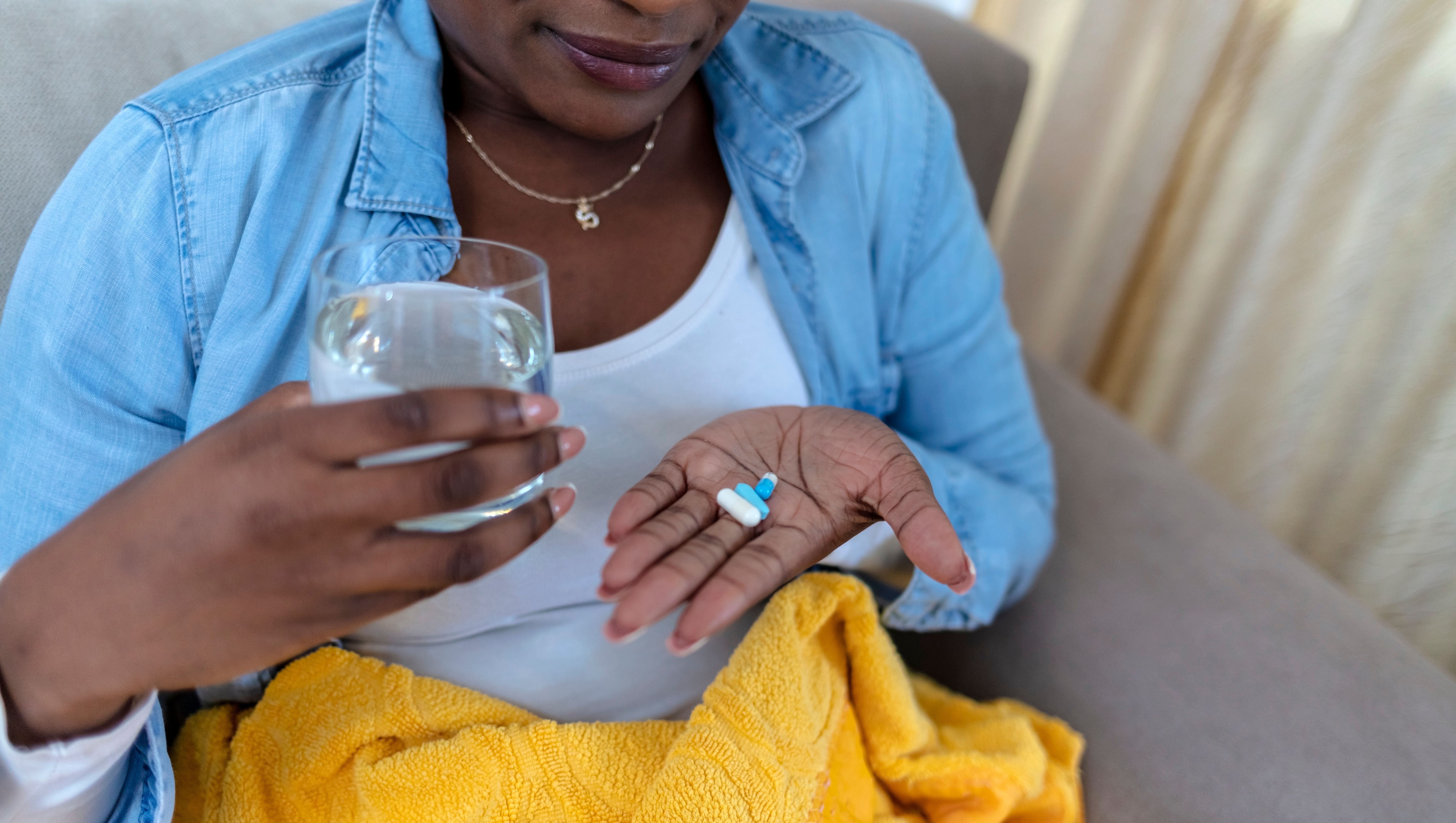
If you have ever wandered through the supplement aisle and thought, “Wow, apparently my hair, skin, nails, bones, and maybe my entire destiny can be fixed by one bottle,” you are not alone. Silica supplements are often marketed as beauty-and-bone boosters, with labels that make them sound like a VIP pass to shinier hair, stronger nails, smoother skin, and sturdier bones. That is a pretty big résumé for one mineral-related supplement.
So, are silica supplements safe? The honest answer is: usually for many healthy adults when used as directed, but not always, and not for every product or every person. Safety depends on the form, the dose, the rest of the ingredient list, your medications, your health conditions, and whether the product actually contains what the label says it contains. In other words, silica is not automatically scary, but it is also not a free pass to toss common sense out the window.
Here is the bigger twist: the safety question is easier to answer than the effectiveness question. Current research suggests some silica forms may help support connective tissue, skin, nails, or bone health in certain situations. But the evidence is still limited, the studies are often small, and the grand marketing promises usually sprint several laps ahead of the science.
This article breaks down what silica supplements are, how they may work, what the research actually suggests, who should be careful, and how to shop smarter if you are considering one.
What Are Silica Supplements, Exactly?
“Silica” is commonly used as a casual umbrella term, but supplement labels can be a bit slippery. In nutrition conversations, you will also see the word silicon. Silicon is the element. Silica, or silicon dioxide, is one of its common forms. In supplements, the most discussed forms include orthosilicic acid, choline-stabilized orthosilicic acid, and other silicon-containing compounds used to deliver absorbable silicon.
That distinction matters because not all forms behave the same way. A supplement designed for oral use is not the same thing as the kind of silica dust linked to lung disease in workplaces. That inhaled crystalline silica story is real and serious, but it is a different exposure route and a different risk profile than swallowing a properly made oral supplement. Mixing those two together is like confusing table salt with ocean water because both involve sodium. Same family name, wildly different experience.
Silica supplements are typically sold for:
- hair growth or reduced breakage,
- stronger nails,
- skin elasticity and collagen support,
- bone support, and
- general “beauty from within” wellness claims.
Some products contain silica alone. Others combine it with biotin, collagen, zinc, vitamin C, hyaluronic acid, or herbal ingredients. That combo approach can make it harder to tell what is helping, what is doing nothing, and what might be causing side effects.
Are Silica Supplements Safe for Most People?
For many healthy adults, silica supplements in studied forms and label-level doses appear to be reasonably well tolerated. That is the reassuring part. The less glamorous part is that “reasonably well tolerated” is not the same as “universally safe,” “well studied long term,” or “a great idea for everyone.”
The strongest practical safety concerns are usually not dramatic poison-movie problems. They are more ordinary and more important:
- using a product with poor quality control,
- taking more than recommended because “more” sounds efficient,
- combining it with medications or other supplements without checking,
- using multi-ingredient formulas that add hidden risks, and
- taking it for a condition that really needs medical evaluation instead.
In short, the safety of silica supplements is often less about the idea of silica itself and more about the context in which it is used.
What Small Human Studies Suggest
Some small human studies on specific oral silicon forms, especially choline-stabilized orthosilicic acid, suggest these products may be tolerated and may provide modest benefits for hair quality, nail brittleness, skin properties, or bone-related markers. That is encouraging. But encouraging is not the same as conclusive. These were not giant, decades-long trials involving every age group and health condition under the sun.
There is also research suggesting that monomethylsilanetriol, another silicon-containing supplement form, was tolerated in a small study of healthy women. Again, helpful, but not enough to turn the science into a standing ovation.
The Biggest Catch: Safe Does Not Mean Necessary
This is where supplement marketing loves to put on sunglasses and sprint away from nuance.
Even if a silica supplement is safe for you, that does not mean you need it. Silicon has not been established as a required nutrient in the same way as iron, calcium, or zinc. Researchers are interested in its possible role in bone and connective tissue health, but there is no standard recommendation telling the average adult to run out and buy a bottle immediately.
That matters because many people are taking silica supplements to solve issues that may have very different root causes. Brittle nails can be linked to repeated wet work, harsh manicures, iron deficiency, thyroid disease, aging, or skin conditions. Hair shedding can be related to stress, hormonal changes, recent illness, low iron, low protein intake, certain medications, postpartum changes, or genetics. Dry or aging skin may have more to do with sun exposure, smoking, sleep, hydration, and skin care habits than a missing silica capsule.
So yes, a silica supplement may fit into someone’s wellness plan. But no, it should not replace actual detective work.
Potential Benefits: What the Research Says Without Wearing a Cape
Hair, Skin, and Nails
This is the category that made silica famous. Some small studies suggest certain silicon supplements may improve hair tensile strength, reduce brittleness, or support nail and skin appearance. The theory is biologically plausible: silicon may play a role in connective tissue structure and collagen formation.
Still, the evidence remains modest. That means the most honest phrasing is not “silica definitely transforms hair.” It is “certain forms of supplemental silicon may help some aspects of hair, skin, or nails in some people, but the evidence is limited and not strong enough to promise dramatic results.”
If a product claims you will wake up with movie-star hair and superhero nails by Tuesday, that is not science talking. That is marketing doing jazz hands.
Bone Health
Silicon is also being studied for bone formation and mineralization. Observational research and some clinical data suggest a possible supportive role, particularly when silicon is used along with established bone-health nutrients like calcium and vitamin D. But silica supplements have not earned the same level of evidence as standard bone-health strategies.
If your main concern is osteoporosis prevention, the big rocks still matter most: enough calcium and vitamin D, resistance exercise, balance training, not smoking, limiting excess alcohol, and getting screened when appropriate. A silica supplement may be an extra, not the foundation.
Common Safety Concerns and Side Effects
Mild Digestive Issues
When side effects happen, they are often mild. Some people report stomach discomfort, bloating, nausea, or changes in bowel habits. These issues may come from the silica compound itself, the capsule fillers, or the whole formula rather than the silicon alone.
Ingredient Overload
Many “silica” products are really beauty blends wearing a silica nametag. They may also contain biotin, herbs, collagen, minerals, flavoring agents, sweeteners, or proprietary blends. If you react badly, figuring out the culprit can become a small detective series with poor lighting and no satisfying finale.
Drug and Supplement Interactions
Like other dietary supplements, silica products can be part of a larger interaction problem, especially in multi-ingredient formulas. If you take prescription medications, over-the-counter drugs, or several supplements at once, you should not assume the combination is harmless just because the bottle uses earthy words and soft pastel colors.
Quality Control Problems
Dietary supplements are not regulated like prescription drugs. Manufacturers are responsible for quality and labeling, but products do not go through the same premarket approval system that medications do. That means one silica supplement may be carefully made, while another is basically vibes in a capsule. Choosing reputable brands with third-party testing is one of the smartest ways to reduce risk.
Pregnancy, Breastfeeding, Children, and Surgery
Many dietary supplements, including niche ingredients, have not been studied well in pregnant people, breastfeeding parents, or children. The same goes for people preparing for surgery or living with complex medical conditions. In those situations, “probably fine” is not good enough. Get individual guidance first.
Who Should Be More Careful?
You should be especially cautious with silica supplements if any of the following applies to you:
- you are pregnant or breastfeeding,
- you are giving supplements to a child or teen,
- you take multiple medications,
- you are using blood thinners or other medicines with interaction potential,
- you are scheduled for surgery,
- you have a chronic medical condition, or
- you are already taking a “hair, skin, and nails” formula and thinking about stacking another one on top.
Also, if your symptoms are new, worsening, or unexplained, talk with a clinician before supplement shopping. A brittle nail may be a nail problem. Or it may be your body waving a tiny but important flag.
Food First: Do You Need a Supplement at All?
Many people can get silicon naturally from food. Common dietary sources include green beans, bananas, leafy greens, brown rice, cereal grains, lentils, and even beer. No, that is not a formal prescription to treat your nails with a six-pack. It is simply a reminder that silicon is not some mystical compound found only in expensive capsules with glossy labels.
For generally healthy adults, improving overall diet quality is often a safer and more reliable first step than adding a specialty supplement. If your goal is healthier hair or stronger nails, you may get more mileage from adequate protein, iron, zinc, vitamin D, omega-3 fats, and good overall nutrition than from chasing one trendy ingredient.
How to Choose a Safer Silica Supplement
If you still want to try one, use a strategy that is less “YOLO” and more “competent adult with a label.”
1. Check the Form
Look for a clearly labeled silicon form, such as orthosilicic acid or choline-stabilized orthosilicic acid, rather than vague marketing language with no useful details.
2. Avoid Mega-Dosing
Take only the amount directed on the label unless a qualified clinician tells you otherwise. Supplements do not become more evidence-based when you double them.
3. Watch the Full Ingredient List
Do not evaluate the front label only. Flip the bottle over and read the whole panel. A “silica supplement” may actually be a multi-ingredient beauty cocktail.
4. Prefer Third-Party Tested Brands
Independent testing can help verify that the product contains what it says it contains and is less likely to be contaminated or mislabeled.
5. Give It a Trial, Not a Lifetime Contract
If you and your clinician decide it is reasonable to try, think in terms of a defined trial period. If nothing changes after a fair interval, you may have your answer.
So, Are Silica Supplements Safe?
Usually, yes, for many healthy adults using a quality product as directed. But that answer comes with several asterisks.
Silica supplements are not miracle workers. They are not automatically dangerous either. The best available evidence suggests certain forms can be tolerated and may offer modest benefits for hair, skin, nails, or bone support. But the research is not strong enough to justify the wild claims often splashed across supplement bottles.
The smartest approach is a boring one, which is often how safe health decisions look from the outside: check the ingredient form, avoid overdoing it, watch for interactions, choose a reputable product, and talk with a healthcare professional if you have medications, medical conditions, pregnancy, breastfeeding, or unexplained symptoms.
In other words, silica supplements may be a reasonable maybe, not a magical must.
Experiences Related to “Are Silica Supplements Safe?”
The scenarios below are illustrative, experience-based examples built from common real-world supplement patterns. They are not individual medical case reports or promises of results.
One common experience is the person who starts a silica supplement for brittle nails and expects fast, dramatic results. In practice, what usually happens is much less cinematic. For the first few weeks, they may notice nothing at all. Then, if the product suits them and if nail brittleness was related to nutrition or repeated breakage rather than an underlying disease, they might gradually see less splitting and a little more durability at the nail edge. The key word is gradually. Nails grow slowly, and supplements do not rewrite biology on express delivery.
Another common experience involves people taking silica for hair. Many begin after noticing more breakage, more strands in the shower, or a ponytail that feels thinner than it used to. Some people report that hair feels a bit stronger or looks shinier after a few months, especially when the supplement is paired with better protein intake, gentler hair care, and less heat styling. Others notice no meaningful difference at all. That split makes sense: hair changes have many causes, and a silica supplement is unlikely to override stress, hormonal shifts, iron deficiency, thyroid issues, or genetics.
There is also the “I bought a beauty blend, not realizing it was basically a chemistry set” experience. Someone chooses a silica supplement thinking it is one ingredient, only to discover later that the formula also contains biotin, collagen, zinc, herbal extracts, sweeteners, and a long list of extras. If side effects show up, like mild stomach upset or nausea, it becomes difficult to know whether silica was the problem or whether one of the add-ons was the real troublemaker. This is one reason many careful shoppers prefer simpler formulas when they are testing a new supplement.
Then there is the food-first experience, which rarely gets flashy marketing but often makes the most sense. A person worried about nail and hair health improves their overall diet, eats more protein, adds beans and lentils, includes whole grains and leafy greens, and checks with a clinician for iron or vitamin D deficiency. Sometimes that broader strategy helps more than the supplement they were about to buy. It is not as fun as a miracle-bottle story, but it is often more effective and a lot more evidence-friendly.
Finally, many people have the “I should have asked first” experience. They start a supplement casually, then mention it to a pharmacist or clinician and learn it may interact with a medication, duplicate another product they are already taking, or simply not address the real reason for their symptoms. That does not mean silica supplements are reckless by default. It just means the safest supplement users are usually the least impulsive ones. The most useful lesson from real-world experience is not that silica always works or always fails. It is that context matters: the right person, the right product, the right reason, and the right expectations make all the difference.