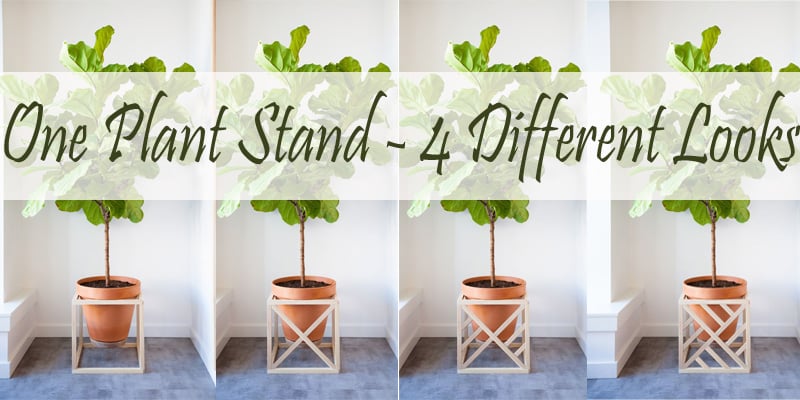
A modern cube plant stand with optional fretwork is one of those rare home projects that looks expensive, behaves politely in small spaces, and quietly solves the classic houseplant problem: “Where do I put this gorgeous pot now that every windowsill is already occupied?” It gives your greenery height, shape, structure, and a little architectural dramawithout turning your living room into a jungle obstacle course.
At its simplest, a cube plant stand is a clean, box-like frame designed to elevate a planter. Add fretwork, and the piece becomes more decorative: geometric cutouts, crisscross panels, lattice-style accents, or openwork details that give the stand personality while still keeping it airy. The beauty of the design is flexibility. You can keep it minimalist for a modern apartment, dress it up for a boho living room, paint it black for a gallery-like look, or stain it warm walnut and pretend you casually shop at boutique furniture stores. We won’t tell.
What Is a Modern Cube Plant Stand?
A modern cube plant stand is typically a square or rectangular frame made from wood, metal, or a combination of materials. Unlike traditional pedestal stands or ornate Victorian plant tables, the cube shape feels crisp and contemporary. It works well with ceramic pots, fiberstone planters, woven baskets, concrete containers, and even simple nursery pots tucked inside decorative cachepots.
The “cube” does not have to be perfectly square, but the concept relies on straight lines, balanced proportions, and open space. A cube stand might be 12 inches tall for a tabletop plant, 18 to 24 inches tall for a medium floor plant, or taller if you want to create a dramatic vertical display. The open frame keeps the piece from looking heavy, which is especially helpful in apartments, bedrooms, offices, and compact corners.
Why Optional Fretwork Makes the Design More Interesting
Fretwork is decorative openwork often created with repeating geometric or carved patterns. In plant stand design, fretwork can be used on one side, all four sides, or just as a subtle accent panel. It adds visual detail without completely closing the frame, so the stand still feels light and breathable.
Minimal Cube vs. Fretwork Cube
A plain cube plant stand is ideal if your room already has a lot going on: patterned rugs, bold art, colorful upholstery, or a plant collection that looks like it is plotting to take over the lease. A fretwork version works beautifully when the stand itself needs to act as a decorative object. Think of it as jewelry for your pothosnot necessary, but very charming.
The optional part matters. You can build or buy the basic cube first, then add fretwork later if the room needs more texture. This makes the design beginner-friendly and adaptable. If you are making one yourself, you can start with a basic frame and attach thin wood strips, lattice pieces, or laser-cut panels once the structure is solid.
Best Materials for a Modern Cube Plant Stand
The best material depends on your budget, tools, style, and whether the stand will live indoors, outdoors, or in a “mostly indoors but sometimes on the patio because the plant needs better light” situation.
Wood
Wood is the most approachable choice for a DIY cube plant stand. Pine is affordable and easy to cut, though it dents more easily than hardwood. Poplar paints well and is a strong option for a clean modern finish. Oak, maple, and walnut offer a more premium look and greater durability. Cedar is useful for outdoor or semi-outdoor placement because it naturally handles moisture better than many common woods.
Metal
Metal cube stands have a sleek, modern look and can handle heavier planters when properly welded or bolted. Black powder-coated steel is popular for industrial and contemporary interiors. Brass or gold-tone metal works well in glam, mid-century, or warm minimalist spaces. The downside? Metalwork is less beginner-friendly unless you are comfortable with welding or buying a finished frame.
Mixed Materials
A wood cube frame with metal fretwork, or a metal frame with a wood shelf insert, gives you the best of both worlds. Mixed-material plant stands pair nicely with modern decor because they echo the layered textures found in real rooms: wood floors, metal lamps, ceramic pots, woven baskets, and leafy plants doing their dramatic little photosynthesis routine.
Design Features That Make the Stand Practical
A beautiful plant stand still has to do the unglamorous work of holding a pot safely. Before falling in love with a design, check the details that affect stability, water resistance, and daily use.
Stable Base
The base should be wide enough to support the planter without wobbling. A tall cube stand with a narrow footprint can tip if paired with a top-heavy plant, especially one with large leaves like a fiddle-leaf fig or monstera. If you have pets, kids, or enthusiastic vacuuming habits, stability becomes even more important.
Strong Joints
For wood stands, strong joints matter more than fancy cuts. Pocket holes, dowels, brad nails with wood glue, screws, or half-lap joints can all work depending on skill level and tools. Glue alone is usually not enough for a stand that will hold a heavy watered plant. Soil plus water can turn a cute planter into a small boulder wearing leaves.
Water Protection
Indoor plant stands deal with spills, condensation, damp saucers, and the occasional watering accident. A protective finish is essential for wood. Paint, polyurethane, varnish, hardwax oil, or a water-resistant topcoat can help protect the surface. For the top platform, consider adding a removable tray or saucer to catch overflow. Your floor, your stand, and your future self will all appreciate the effort.
How to Style a Modern Cube Plant Stand
The cube shape works because it gives plants visual structure. Instead of scattering pots randomly around a room, you can create intentional height changes and clean groupings.
Use Height to Create Balance
Short plants often disappear on the floor, especially next to sofas or cabinets. A cube stand lifts them into view. Try placing a medium snake plant, ZZ plant, bird’s nest fern, or trailing pothos on a cube stand beside an armchair. The plant becomes part of the room’s composition instead of looking like it got left behind after grocery day.
Pair Fretwork With Simple Pots
If your stand has decorative fretwork, keep the pot simple. Matte white, black ceramic, terracotta, concrete gray, or natural stone textures work especially well. When both the pot and the stand are highly patterned, the eye has nowhere to rest. Design drama is fun; visual shouting matches are not.
Group in Odd Numbers
For a styled plant corner, use one cube stand, one floor planter, and one smaller tabletop plant nearby. Odd-numbered groupings tend to look more natural and balanced. Vary leaf shapes too: pair upright leaves with trailing vines, or broad glossy foliage with delicate fern textures.
Best Plants for a Cube Plant Stand
The best plants for a modern cube plant stand are those that benefit from extra height or deserve to be shown off at eye level. Some good options include pothos, philodendron, peperomia, calathea, snake plant, ZZ plant, hoya, prayer plant, bird’s nest fern, and small rubber plants. Trailing plants look especially good because the vines can soften the cube’s straight lines.
For larger cube stands, consider a statement plant like a monstera, fiddle-leaf fig, or bird of paradise, but pay attention to weight. A large plant in a ceramic pot can be surprisingly heavy. Always choose a stand that can handle the load safely, especially after watering.
DIY Considerations: Building a Cube Plant Stand
If you enjoy woodworking, a cube plant stand is a satisfying project because the basic structure is simple: repeated cuts, square corners, and clean assembly. The challenge is precision. Small measurement errors can make the cube look crooked, and plants are already dramatic enough without giving them a leaning tower.
Basic DIY Supply List
Common materials include square wood dowels or boards, wood glue, screws or brad nails, clamps, sandpaper, wood filler, stain or paint, and a protective topcoat. For optional fretwork, use thin wood strips, lattice molding, decorative panels, or pre-cut geometric trim. You may also need a miter saw, drill, nailer, square, tape measure, and safety gear.
Simple Build Strategy
Build two identical square frames first. These become the top and bottom faces of the cube. Then connect them with four vertical supports. Once the frame is square and secure, add a top support surface if your planter needs one. Fretwork can be attached to the sides after the main cube is assembled. This approach keeps the decorative part from interfering with the structural strength.
Finishing Tips
Sand all edges smooth before finishing. Sharp corners can look modern, but they should not feel like tiny furniture knives. If painting, prime first for a smoother result. If staining, test the stain on scrap wood because different species absorb color differently. Add a water-resistant topcoat, especially on the top surface and lower rails where drips may collect.
Where a Cube Plant Stand Works Best
A modern cube plant stand is surprisingly versatile. In a living room, it can fill the awkward gap beside a sofa. In an entryway, it creates a welcoming green moment without taking up much floor space. In a bedroom, it can replace a small side table for a calm, natural accent. In a home office, it provides a little leafy encouragement during long work sessions, which is basically emotional support with chlorophyll.
Cube stands also work well in corners because their geometry aligns neatly with walls. If you use multiple stands in different heights, you can create a tiered plant display that looks intentional rather than crowded. For small spaces, a single cube stand can make one plant feel like a focal point instead of just another pot on the floor.
Buying vs. Building: Which Is Better?
Buying a modern cube plant stand is the fastest route if you want a polished look right away. It is also a smart choice if you need metal construction, a heavy-duty weight rating, or a very specific finish. Look for stands with clear dimensions, sturdy joints, protective feet, and enough surface area for your planter.
Building one is better if you want custom sizing, a unique fretwork pattern, or a finish that matches your decor perfectly. DIY can also be cost-effective if you already own tools or have scrap wood available. The biggest advantage is customization. You can make the stand taller for a trailing plant, wider for a large pot, or more decorative for a room that needs texture.
Common Mistakes to Avoid
Choosing a Pot That Is Too Large
A pot should sit securely on the stand without hanging too far over the edges. Overhang can look casual in a charming way, but too much overhang makes the stand unstable and visually awkward.
Skipping Drainage Planning
Plants need drainage, and furniture needs protection. Use pots with drainage holes, saucers, nursery pots inside decorative containers, or removable trays. Never let water sit directly on unfinished wood.
Overdecorating the Fretwork
Fretwork should enhance the cube, not smother it. Leave enough open space so the design still feels modern. A little pattern can look sophisticated; too much can start resembling a tiny palace gate for your fern.
Ignoring Light Needs
A plant stand is not a magic wand. If a plant needs bright indirect light, placing it in a dark hallway will not suddenly make it thrive. Use the stand to improve light exposure where possible, but match the plant to the room’s actual conditions.
Experience Section: Living With a Modern Cube Plant Stand With Optional Fretwork
The best thing about using a modern cube plant stand is how quickly it changes the feeling of a room. A plant sitting directly on the floor can look unfinished, especially if the pot is small or the surrounding furniture is tall. Place that same plant on a cube stand, and suddenly it has presence. It becomes part of the room instead of looking like it is waiting for someone to mop around it.
In real homes, the cube shape is easy to live with because it does not fight the rest of the furniture. It can sit next to a sofa, under a window, near a console table, or beside a reading chair without looking fussy. The straight lines make it feel organized, which is helpful when you own more plants than you originally planned. And let’s be honest: nobody starts with “just one pothos” and stays there forever. That is how the plant shelf begins.
Optional fretwork adds a different experience. A plain cube feels sleek and quiet, while fretwork makes the stand feel more designed. In a neutral room, fretwork brings shadow, texture, and a handcrafted detail that keeps the space from looking too flat. It is especially pretty when sunlight passes through the open pattern and casts soft shapes on the wall or floor. That small detail can make a plant corner feel intentional, almost like a mini indoor garden display.
One practical lesson is to think about watering before styling. A beautiful stand is less fun when you have to perform a gymnastics routine every time the plant needs a drink. Choose a pot and saucer that are easy to lift or slide. If the stand has fretwork on all sides, make sure the plant is still accessible. Decorative panels should not trap the pot so tightly that repotting becomes a weekend negotiation.
Another experience-based tip is to choose the finish based on your habits. If you are careful with watering, a stained wood stand with a good topcoat can stay beautiful for years. If you tend to water with the confidence of a summer thunderstorm, use a painted or sealed finish and add a waterproof tray. Dark finishes hide minor marks better, while light natural wood shows dust, water rings, and soil crumbs more easily.
The stand also changes how plants grow. Elevating a plant can bring it closer to window light, which may encourage fuller growth. Rotating the pot every week or two helps keep the plant from leaning in one direction. Trailing plants benefit the most visually because their vines can spill over the top and soften the cube’s geometry. A satin pothos, heartleaf philodendron, or hoya can make the stand look lush without overwhelming it.
For renters, a cube plant stand is a low-commitment decor upgrade. It adds height and personality without drilling into walls or buying large furniture. For homeowners, it can be customized to match trim, floors, cabinetry, or outdoor furniture. And for DIY beginners, it is a confidence-building project because the design is simple enough to understand but attractive enough to proudly show off.
The real charm of a modern cube plant stand with optional fretwork is that it gives you control. You control the size, the pattern, the color, the plant pairing, and the level of personality. It can be minimal, decorative, bold, natural, painted, stained, indoor, outdoor, store-bought, or handmade. In other words, it does what good home design should do: it supports your style without demanding the entire room’s attention. Your plant still gets to be the starjust with a much better stage.
Conclusion
A modern cube plant stand with optional fretwork is more than a place to park a pot. It is a smart design element that adds height, structure, texture, and personality to indoor plant styling. The cube shape keeps the look clean and contemporary, while fretwork gives you the option to add decorative detail without making the piece feel heavy. Whether you buy one or build your own, focus on stability, water protection, scale, and the right plant pairing. Do that, and your plant stand will look polished, function well, and make your greenery feel like it finally got the apartment upgrade it has been quietly photosynthesizing toward.
Note: This article is designed for informational and home-decor inspiration purposes. If building your own plant stand, follow tool safety instructions, use protective gear, and confirm the stand can safely support the weight of your chosen planter.