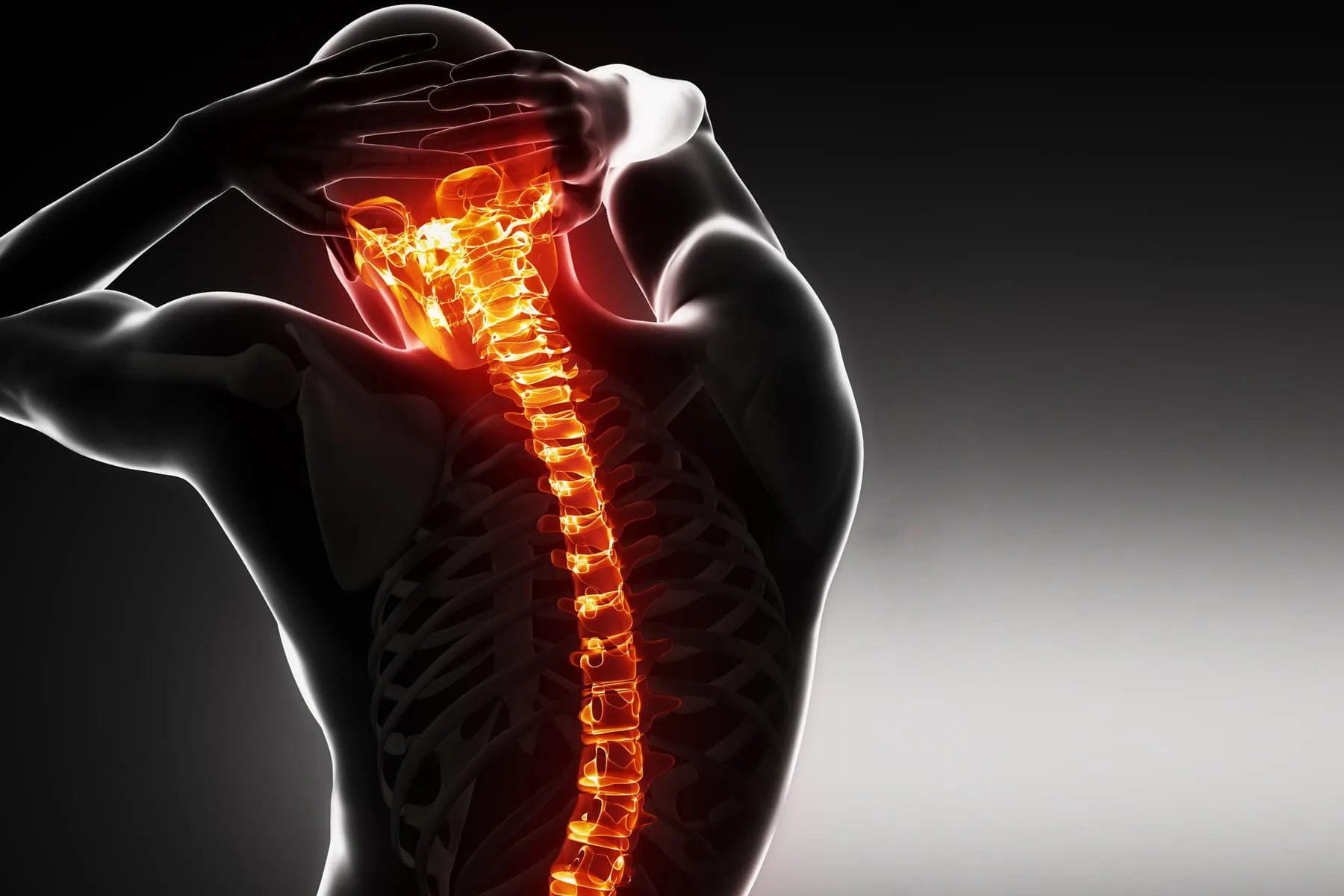
Ankylosing spondylitis can make an ordinary morning feel like your spine spent the night being shrink-wrapped. Your lower back is stiff, your hips complain before your feet reach the floor, and bending to put on socks suddenly qualifies as advanced-level gymnastics.
Although ankylosing spondylitis currently has no cure, it can often be managed effectively. The practical meaning of “overcoming” the condition is not pretending it has disappeared. It means controlling inflammation, preserving movement, preventing avoidable complications, adapting daily routines, and refusing to let the disease make every decision for you.
Modern treatment may combine medication, physical therapy, targeted exercise, posture training, sleep strategies, nutritious food, stress management, and regular medical monitoring. The best plan is individualized because ankylosing spondylitis does not behave exactly the same way in every person.
Understand What You Are Trying to Overcome
Ankylosing spondylitis, often abbreviated as AS, is a chronic inflammatory form of arthritis. It mainly affects the sacroiliac joints, where the lower spine meets the pelvis, and the joints and ligaments of the spine. It may also affect the hips, shoulders, knees, ribs, heels, eyes, skin, or digestive system.
Today, specialists often describe AS as radiographic axial spondyloarthritis because structural changes can be seen on an X-ray. A related condition, nonradiographic axial spondyloarthritis, can cause similar symptoms before those changes appear on standard X-rays.
Inflammatory back pain tends to behave differently from a strained muscle. It commonly:
- Begins before age 45.
- Develops gradually rather than after one obvious injury.
- Feels worse after rest or prolonged sitting.
- Causes substantial morning stiffness.
- Improves with movement or exercise.
- May wake you during the second half of the night.
Long-term inflammation can reduce spinal mobility and, in severe cases, contribute to the formation of new bone between vertebrae. Early and consistent management matters because treatment is generally more effective before permanent structural changes become extensive.
Build a Treatment Partnership With a Rheumatologist
The first major step toward overcoming ankylosing spondylitis is obtaining an accurate diagnosis and a treatment plan that is reviewed regularly. A rheumatologist specializes in inflammatory diseases of the joints and connective tissues.
Diagnosis may involve a medical history, physical examination, blood tests, and imaging. X-rays can identify changes in the sacroiliac joints, but those changes may take years to become visible. MRI can sometimes detect active inflammation earlier.
Blood tests may measure C-reactive protein or erythrocyte sedimentation rate, which can indicate inflammation. However, normal results do not automatically rule out AS. Testing for the HLA-B27 genetic marker can support a diagnosis, but it is not a yes-or-no answer. Many people with HLA-B27 never develop the disease, while some people with ankylosing spondylitis do not carry the marker.
Track More Than Your Pain Score
A useful appointment should cover more than the question, “How much does it hurt?” Keep notes about morning stiffness, nighttime waking, fatigue, mobility, medication side effects, missed work, exercise tolerance, eye symptoms, digestive changes, and psoriasis-like skin problems.
For example, reporting that your pain is “six out of ten” is helpful. Reporting that you need 90 minutes to loosen up, cannot turn your head safely while driving, and wake four nights a week gives your clinician a much clearer picture.
Use Medication to Control Inflammation
Exercise is essential, but active inflammation cannot always be stretched into submission. When the immune system is persistently driving the disease, medication may be necessary to control symptoms and protect function.
Nonsteroidal Anti-Inflammatory Drugs
Nonsteroidal anti-inflammatory drugs, or NSAIDs, are commonly used as an initial medication treatment. Examples include ibuprofen and naproxen. They can reduce pain, stiffness, and inflammation, but they are not harmless simply because some are sold without a prescription.
NSAIDs may irritate the stomach, contribute to ulcers or bleeding, affect kidney function, raise blood pressure, or interact with other medicines. Your clinician should consider your medical history and recommend an appropriate dose and schedule.
Biologic and Targeted Therapies
When AS remains active despite appropriate NSAID treatment and exercise, a rheumatologist may recommend a targeted therapy. Options can include tumor necrosis factor inhibitors, interleukin-17 inhibitors, or Janus kinase inhibitors.
The right choice depends on disease activity, previous treatment, infection risk, insurance coverage, pregnancy plans, and whether you also have inflammatory bowel disease, psoriasis, or recurrent uveitis. One medicine may work brilliantly for one person and only shrug politely at another.
Before starting certain therapies, patients may need screening for tuberculosis, hepatitis, and other infections. Vaccination plans should also be reviewed. Contact your healthcare team promptly if you develop fever, persistent cough, unusual shortness of breath, or signs of infection while taking an immune-modifying drug.
Do not stop treatment because you feel better without speaking to your prescriber. Feeling better may be evidence that the treatment is doing its job, not evidence that the disease has packed its bags and moved away.
Make Exercise Part of Treatment, Not Punishment
Movement is one of the most important parts of ankylosing spondylitis management. Regular exercise can support flexibility, posture, strength, cardiovascular fitness, breathing capacity, sleep, and mood. A physical therapist familiar with axial spondyloarthritis can create a program based on your mobility and disease severity.
Include Four Types of Movement
A balanced routine usually includes:
- Range-of-motion exercises: Gentle movements for the neck, shoulders, hips, and spine.
- Strength training: Exercises for the back, abdominal muscles, hips, shoulders, and legs.
- Aerobic activity: Walking, swimming, water exercise, stationary cycling, or another joint-friendly option.
- Balance work: Controlled exercises that can reduce fall risk and improve stability.
Chest-expansion exercises may also help maintain movement around the rib cage. A therapist can teach safe breathing drills and check whether you are compensating with your shoulders or lower back.
Create a Realistic Daily Routine
A practical routine is more valuable than an ambitious plan that survives for three days. You might begin with five to ten minutes of gentle mobility after a warm shower, take short walking breaks during the workday, and complete a longer strengthening or aerobic session several times per week.
During a flare, exercise intensity may need to decrease, but complete inactivity often increases stiffness. Replace an intense workout with gentle range-of-motion exercises, relaxed walking, or water-based movement if your clinician approves.
People with advanced spinal fusion, osteoporosis, poor balance, or previous fractures may need to avoid contact sports and high-impact activities. Sudden spinal twisting, forceful manipulation, or aggressive stretching can be unsafe in a fragile or fused spine.
Protect Your Posture Throughout the Day
Good posture will not cure ankylosing spondylitis, but it can help you use the mobility you have and reduce unnecessary strain. Posture training is especially important when pain encourages you to lean forward or stay curled in one position.
Set your computer monitor near eye level, keep your feet supported, and avoid working for hours from a soft couch. A chair should support you without forcing your upper back into a rounded position. Change positions at least every 30 to 60 minutes rather than searching for one “perfect” posture and freezing there like office furniture.
Place frequently used objects within easy reach. If bending is difficult, long-handled shoehorns, grabbers, shower seats, and other assistive devices can conserve energy and reduce fall risk. An occupational therapist can recommend adjustments for your home, vehicle, and workplace.
Develop a Flare Management Plan
AS symptoms may rise and fall. A flare plan reduces panic and helps you respond consistently when stiffness, fatigue, or pain increases.
Your written plan might include:
- Which prescribed medicines to continue.
- Which treatments your clinician allows for temporary symptom relief.
- Gentle exercises that remain comfortable.
- Heat or cold strategies that help you.
- Work or household tasks that can be postponed or delegated.
- Symptoms that require a call to your medical team.
Warm showers or heating pads may relax tight muscles and reduce stiffness. Cold packs may help a hot, swollen peripheral joint. Protect your skin and limit exposure according to professional instructions.
Pacing is also important. Divide demanding tasks into smaller stages and alternate effort with planned recovery. Rest is useful; spending several days almost completely motionless usually is not.
Improve Sleep Without Turning Bedtime Into a Battle
Night pain can disrupt sleep, and poor sleep can make fatigue and pain feel worse the next day. Discuss frequent nighttime waking with your rheumatologist because it may indicate that inflammation is not adequately controlled.
Use a supportive mattress and a pillow height that keeps your neck in a comfortable, neutral position. Side sleepers may benefit from a pillow between the knees. Back sleepers sometimes find a small support under the knees comfortable, although positioning should be individualized if you have significant posture changes.
Keep a consistent sleep schedule, reduce late-night screen use, and avoid trying to repay an exhausting week with one heroic 12-hour sleep marathon. If you snore loudly, gasp during sleep, or remain severely sleepy during the day, ask whether a sleep evaluation is appropriate.
Eat for Overall Health and Strong Bones
No single ankylosing spondylitis diet has been proven to cure the condition. Be cautious about anyone promising to “detox” your spine, reset your immune system in seven days, or heal inflammation with an expensive powder that tastes like lawn clippings.
A Mediterranean-style eating pattern is a reasonable foundation. Emphasize vegetables, fruit, beans, whole grains, fish, nuts, seeds, olive oil, and other minimally processed foods. Limit heavily processed foods, excessive added sugar, and large amounts of saturated fat.
Maintaining a healthy weight can reduce stress on the hips, knees, and feet. Adequate protein supports muscle, while calcium and vitamin D are important for bone health. Do not take high-dose supplements automatically; ask whether your diet, blood tests, medications, and osteoporosis risk justify them.
A food-and-symptom diary can help identify personal patterns, but change one major variable at a time. Otherwise, you may eliminate gluten, dairy, tomatoes, joy, and half the grocery store without learning what actually affected your symptoms.
Stop Smoking and Protect Cardiovascular Health
Smoking is particularly unhelpful for someone with AS. It may worsen respiratory limitations, contribute to poorer overall health, and increase cardiovascular and bone-related risks. Ask your clinician about counseling, nicotine replacement, or prescription treatments rather than relying on willpower alone.
Inflammatory diseases are also associated with increased cardiovascular concerns. Have blood pressure, cholesterol, blood sugar, weight, and other risk factors reviewed. Regular aerobic activity, nutritious food, adequate sleep, and prescribed treatment support more than your spine.
Watch for Symptoms Outside the Spine
Ankylosing spondylitis can affect several body systems. Tell your healthcare team about persistent diarrhea, abdominal pain, blood in the stool, new skin rashes, heel pain, chest-wall pain, or unexplained fatigue.
Take Eye Symptoms Seriously
Uveitis is an important complication of axial spondyloarthritis. Seek urgent eye care for sudden eye pain, marked redness, sensitivity to light, or blurred vision, particularly when symptoms affect one eye. This is not a “wait until next month’s physical” situation. Prompt treatment can help prevent complications.
Know When Back or Neck Pain Is an Emergency
Seek urgent medical evaluation after significant trauma or when pain is accompanied by new weakness, numbness, loss of coordination, loss of bladder or bowel control, chest pain, severe shortness of breath, or other rapidly developing neurological symptoms. A stiff or fused spine can be more vulnerable to fracture, sometimes after an injury that initially seems minor.
Care for Your Mental Health
Chronic pain can affect concentration, relationships, confidence, and mood. Anxiety and depression are not character defects, and asking for support is not surrender.
Cognitive behavioral therapy, pain psychology, mindfulness, support groups, and practical counseling may improve coping. Explain AS to the people closest to you. They may understand the diagnosis but not realize that fatigue can be intense even when you look “fine.”
At work, useful accommodations might include a sit-stand desk, brief movement breaks, flexible scheduling during flares, ergonomic equipment, or permission to alternate tasks. Ask for specific changes instead of waiting until symptoms have pushed you to the edge of your patience.
Experiences That Can Help You Live Better With Ankylosing Spondylitis
The following composite experiences illustrate strategies commonly used by people living with AS. They are examples rather than guaranteed outcomes, and treatment decisions should always be personalized.
Experience One: Stop Waiting to Feel Motivated
A common mistake is postponing exercise until stiffness improves. Unfortunately, stiffness often improves because movement begins. One person might keep a resistance band and exercise mat beside the bed, complete a gentle five-minute routine after waking, and then take a warm shower. The routine is deliberately small because the first goal is consistency, not earning a fictional gold medal in stretching.
After several weeks, the person may notice that mornings are still uncomfortable but more predictable. That predictability matters. A manageable routine can reduce the sense that the body is setting the day’s agenda without consultation.
Experience Two: Learn the Difference Between Pain and Harm
People with AS may become afraid of movement because movement sometimes hurts. A physical therapist can help distinguish ordinary stiffness or muscle effort from warning signs that require stopping. The patient learns which ranges are safe, how to modify exercises, and how to progress gradually.
Instead of avoiding all lifting, for example, the person may learn supported squats, hip-hinge mechanics, and light resistance exercises. Confidence returns in small installments. The result is not reckless activity; it is informed activity.
Experience Three: Avoid the Good-Day Trap
On a low-pain day, it is tempting to clean the entire house, complete a hard workout, run errands, reorganize the garage, and perhaps personally repave the driveway. The next day may bring exhaustion and increased symptoms.
A better approach is to establish a reasonable activity ceiling. Stop before every unit of energy is spent. Saving some capacity for tomorrow can produce more total activity across the week than repeatedly cycling between overexertion and collapse.
Experience Four: Prepare Better Medical Appointments
Another patient may arrive at appointments with a one-page summary containing morning-stiffness duration, nighttime waking, medication adherence, side effects, exercise frequency, and new symptoms. This transforms the conversation from “I think I’m doing worse” into useful clinical information.
The physician can then judge whether the current treatment is working, whether imaging or laboratory tests are needed, and whether another therapy should be considered. The patient leaves with a clearer plan and fewer forgotten questions.
Experience Five: Adjust the Environment, Not Just the Body
A person who struggles at work may initially blame a lack of toughness. Later, they realize that sitting in one chair for eight hours would make almost anyone with inflammatory spinal stiffness miserable.
They request an adjustable workstation, schedule brief standing or walking breaks, use voice dictation for some tasks, and move frequently used files within easy reach. None of these changes is dramatic. Together, they may determine whether the person finishes the workday functional or folded like an irritated pocketknife.
Experience Six: Accept That Treatment May Require Adjustment
Finding effective medication can take time. A patient may experience incomplete improvement, side effects, insurance delays, or a treatment that gradually becomes less effective. This can feel discouraging, but it does not mean every option has failed.
Regular communication with the rheumatology team allows treatment to be reassessed. The eventual plan may combine a targeted medication, physical therapy, home exercise, improved sleep, and workplace changes. Progress often comes from several modest interventions working together rather than one miraculous solution.
Experience Seven: Redefine Success
Before diagnosis, success may have meant exercising intensely, working without breaks, or completing every task independently. After diagnosis, success may mean maintaining mobility, asking for help before a flare becomes overwhelming, or having enough energy to enjoy time with family.
This is not lowering standards. It is using better measurements. A meaningful life is not determined by touching your toes, winning an argument with your immune system, or pretending pain never affects you.
Conclusion: Control the Disease One Decision at a Time
Overcoming ankylosing spondylitis means building a life in which the condition is managed rather than ignored. Effective care usually begins with a rheumatologist and may include anti-inflammatory medication, biologic or targeted treatment, physical therapy, regular exercise, posture work, and monitoring for complications.
Daily choices also matter. Move consistently, pace demanding activities, protect sleep, avoid smoking, eat nutritious food, and ask for practical support at home and work. Pay attention to eye, digestive, skin, neurological, and respiratory symptoms instead of treating AS as a back-only problem.
There may be difficult mornings and unpredictable flares. There can also be productive workdays, enjoyable exercise, travel, relationships, hobbies, and long stretches when treatment is working well. The goal is not perfection. The goal is steady control, preserved function, and a life that remains much larger than the diagnosis.