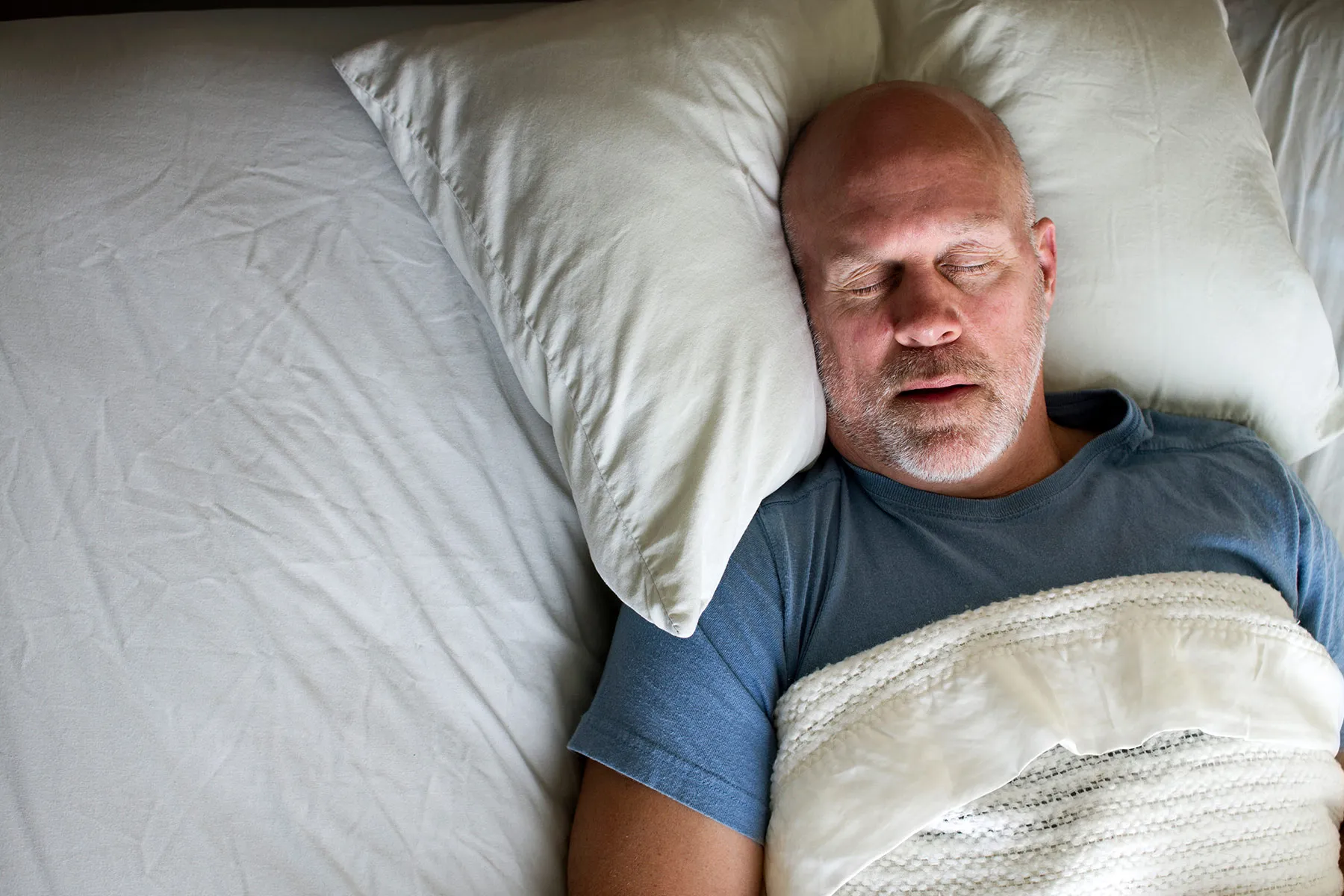
You go to bed for eight hours, wake up feeling as though you spent the night arguing with a leaf blower, and immediately start planning your second coffee. That may be ordinary sleep deprivation. It may also be obstructive sleep apnea, a sleep-related breathing disorder that repeatedly narrows or closes the upper airway while you sleep.
Obstructive sleep apnea, commonly shortened to OSA, is easy to miss because its most dramatic events happen when you are unconscious. You may not hear your own snoring, notice your breathing pauses, or remember the tiny awakenings that reopen your airway. What you notice is the aftermath: headaches, dry mouth, poor concentration, irritability, daytime fatigue, and the nagging feeling that sleep is not doing its job.
Not every snorer has sleep apnea, and not everyone with sleep apnea snores. The key is the overall pattern. The following signs should move sleep apnea testing from “maybe someday” to “let’s discuss this with a healthcare professional.”
What Obstructive Sleep Apnea Does While You Sleep
During normal sleep, the muscles around the throat relax while the airway stays open enough for air to move. In OSA, the tongue and soft tissues shift or relax enough to partially or completely block airflow. The brain detects the problem and briefly arouses the sleeper so breathing can restart, sometimes with a gasp, choke, snort, or sudden movement.
These arousals are often too short to remember, but they can fragment sleep, reduce oxygen levels, and repeatedly activate the body’s stress response. Your body may be running an all-night emergency drill while you think you are peacefully asleep.
Signs You Should Get Tested for Obstructive Sleep Apnea
1. Someone Has Seen You Stop Breathing
Witnessed breathing pauses are among the strongest reasons to request an evaluation. A partner may describe loud snoring followed by an eerie silence, then a gasp or explosive snort as breathing resumes. The cycle may repeat throughout the night.
Do not dismiss this as “just weird snoring.” A recording can help illustrate the pattern, but a phone video cannot diagnose OSA. Tell your clinician how often the pauses seem to happen and whether they end with choking, gasping, or jerking movements.
2. Your Snoring Is Loud, Uneven, and Interrupted
Simple snoring is often more continuous. Snoring associated with OSA may be loud and irregular, with quiet pauses followed by snorts or gasps. It can worsen when you sleep on your back, drink alcohol near bedtime, or have nasal congestion.
Volume alone proves nothing. Some thunderous snorers do not have OSA, while some people with OSA are quiet sleepers. Testing becomes more important when snoring appears with breathing pauses, morning headaches, daytime sleepiness, or high blood pressure.
3. You Wake Up Gasping, Choking, or With a Racing Heart
OSA can cause abrupt awakenings when the airway reopens. Some people sit up, cough, or feel their heart pounding. Others remember only a vague rush of panic.
Reflux, asthma, anxiety, and heart conditions can cause similar nighttime distress, so this symptom deserves medical evaluation rather than guesswork. Seek urgent care for severe shortness of breath, chest pain, fainting, blue lips, or breathing difficulty that continues after you are fully awake.
4. You Are Dangerously Sleepy During the Day
Excessive daytime sleepiness means more than feeling sluggish after lunch. It may involve nodding off while reading, watching television, sitting in a meeting, riding as a passenger, or waiting at a traffic light. You may experience heavy eyelids, brief microsleeps, or an irresistible need to nap despite spending enough time in bed.
Drowsy driving is the red-flag version. Stop driving if you are drifting between lanes, missing exits, or fighting to stay awake. Coffee, cold air, and loud music are not safety systems. Arrange another ride and contact a healthcare professional promptly.
5. A Full Night of Sleep Never Feels Refreshing
People with OSA may sleep seven, eight, or nine hours and wake feeling as though someone quietly replaced the mattress with a treadmill. Morning grogginess can linger, and getting started may require caffeine, determination, and a motivational speech from the toaster.
Unrefreshing sleep is not specific to sleep apnea. Insomnia, restless legs syndrome, depression, medication effects, chronic pain, and shift work can cause similar fatigue. A sleep evaluation helps determine which problem, or combination of problems, is stealing your rest.
6. Morning Headaches, Dry Mouth, or Sore Throat Keep Returning
Repeated morning headaches can occur when nighttime breathing disruptions affect oxygen and carbon dioxide levels. Mouth breathing and snoring may also leave you with a dry mouth or sore throat.
An occasional dry mouth may reflect dehydration, congestion, or medication. A recurring cluster of morning headache, dry mouth, loud snoring, and daytime sleepiness is more suspicious.
7. You Wake Frequently to Urinate or Toss and Turn
Nighttime urination, or nocturia, is often blamed on age, diabetes, medications, prostate problems, pregnancy, or drinking too much before bed. Sleep apnea can also contribute. Repeated breathing events may affect hormones involved in fluid balance and create frequent awakenings, making bladder signals harder to ignore.
Restless sleep, sweating, kicking, and repeated awakenings are not diagnostic by themselves. Mention them if they occur with snoring, gasping, or daytime fatigue.
8. Your Memory, Focus, Mood, or Work Performance Has Slipped
Fragmented sleep can appear as forgetfulness, slower reaction time, poor concentration, irritability, anxiety, low mood, or reduced patience. You may reread the same email three times or become unreasonably offended by a printer.
These symptoms have many possible causes, including stress and mental health conditions. OSA deserves consideration when cognitive or mood changes occur with snoring, breathing pauses, fatigue, or morning symptoms.
9. You Have Insomnia or Less Typical Symptoms
OSA is often pictured as a loudly snoring middle-aged man, but that stereotype misses many people. Women may report insomnia, frequent awakenings, headaches, anxiety, nightmares, or fatigue rather than classic sleepiness. Risk also rises after menopause.
Because these complaints overlap with hormonal changes, depression, stress, and primary insomnia, the breathing problem may remain hidden. If insomnia coexists with snoring, choking, resistant fatigue, or cardiovascular risk factors, ask whether sleep apnea testing is appropriate.
10. High Blood Pressure Is Difficult to Control
OSA commonly appears alongside hypertension and other cardiovascular conditions. Repeated oxygen drops and surges in stress hormones can raise nighttime blood pressure and strain the heart. Sleep apnea is also common among people with atrial fibrillation, heart failure, coronary artery disease, or a history of stroke.
OSA is not the only explanation for these conditions. However, cardiovascular disease plus loud snoring, witnessed apneas, or daytime sleepiness should lower the threshold for a sleep evaluation.
Risk Factors That Make Testing More Important
Symptoms matter most, but OSA is more likely with overweight or obesity, a larger neck, enlarged tonsils or adenoids, a small or recessed jaw, nasal obstruction, older age, family history, and alcohol or sedative use near bedtime. Men are diagnosed more often, while risk in women increases after menopause.
Body weight is only one factor. Thin and athletic people can have sleep apnea because airway anatomy, jaw structure, tonsil size, nasal blockage, genetics, and muscle behavior during sleep also matter. “I am not overweight” is not a reliable rule-out test.
Children can develop OSA too, often with enlarged tonsils or adenoids. Frequent snoring, mouth breathing, restless sleep, bed-wetting, morning headaches, hyperactivity, attention problems, or poor school performance should be discussed with a pediatric healthcare professional.
Screening Is Not the Same as Diagnosis
A clinician may use a questionnaire such as STOP-Bang or the Epworth Sleepiness Scale to estimate risk. These tools can organize symptoms, but they do not diagnose obstructive sleep apnea.
The U.S. Preventive Services Task Force has found insufficient evidence to recommend for or against routine OSA screening of the general adult population without recognized symptoms. That does not mean symptomatic people should ignore warning signs. It means a clinician should use the history, examination, risk factors, and an appropriate sleep test to make the diagnosis.
What Sleep Apnea Testing Is Like
Home Sleep Apnea Testing
A home test is often used for adults who are likely to have moderate to severe OSA and do not have major complicating conditions. The device usually measures airflow, breathing effort, oxygen level, heart rate, and sometimes body position or snoring. You attach the sensors, sleep in your own bed, return the equipment, and have the results interpreted by a qualified clinician.
Home testing is convenient but collects less information than an in-lab study. It may not be appropriate for people with significant heart, lung, or neurological disease, certain opioid use, suspected additional sleep disorders, or a negative home result despite strong symptoms.
In-Lab Polysomnography
An overnight laboratory sleep study, called polysomnography, is more comprehensive. Sensors track brain waves, eye movements, muscle activity, breathing, oxygen levels, heart rhythm, and limb movements while a sleep technologist monitors the recording.
The sensor setup may make you look like a low-budget science-fiction character, but the test is not painful. Most people sleep enough to provide useful data. A laboratory study can also help distinguish OSA from central sleep apnea and other causes of disrupted sleep.
What the AHI Means
Sleep reports often include the apnea-hypopnea index, or AHI, which estimates the average number of complete or partial breathing disruptions per hour of sleep. In adults, an AHI of 5 to 14 is generally classified as mild, 15 to 29 as moderate, and 30 or more as severe. Clinicians also consider oxygen levels, symptoms, sleep stages, body position, and other health conditions.
Three Myths That Delay Testing
“A Test Means I Will Be Forced to Use CPAP”
Testing is not a contract agreeing to one treatment forever. Treatment depends on severity, anatomy, symptoms, other health conditions, and personal preferences. Options may include positive airway pressure, an oral appliance, weight management, positional therapy, treatment of nasal obstruction, surgery, or other specialist-guided care.
“I Fall Asleep Easily, So I Must Sleep Well”
People with OSA may fall asleep quickly because they are chronically sleepy. They may also believe they sleep deeply because they do not remember repeated arousals. Falling asleep fast is not proof of restorative sleep.
“My Watch Says My Oxygen Is Fine”
Consumer wearables can show trends, but they are not substitutes for an ordered and professionally interpreted sleep study. A watch may miss events, generate false alarms, or measure different variables. Bring useful data to your appointment, but do not treat it as the final verdict.
Experiences People Commonly Have Before Getting Tested
The partner who becomes the smoke alarm: A person may feel unaware of any problem until a spouse starts sleeping with one eye open. At first, the complaint is about noise. Then the partner notices roaring snoring, silence, chest movement with little airflow, and finally a gasp. The sleeper jokes about it, buys nasal strips, changes pillows, and insists everything is fine. Months later, after falling asleep during a movie they chose and forgetting an important work deadline, they mention the pauses to a doctor. The home test feels surprisingly simple. The emotional part is realizing that the partner was not exaggerating; they were witnessing a real breathing disorder.
The high performer who thinks exhaustion is normal: Someone with a demanding job, young children, or both may assume everyone wakes with a headache and needs three coffees to become conversational. They blame brain fog on a busy schedule. Because they do not literally fall asleep at a desk, they do not call themselves sleepy. Yet they struggle through afternoon meetings, become irritable at home, and remain exhausted after weekends. Testing shows that the problem is not only too little time in bed. Sleep is being repeatedly interrupted by breathing events. The experience teaches an important lesson: sleep apnea fatigue can look like low energy, poor focus, or a shorter temper rather than dramatic nodding off.
The woman treated only for insomnia: Some women spend years describing light sleep, anxiety, frequent awakenings, headaches, and daytime fatigue without anyone asking about snoring or breathing. They may not fit the stereotype and may sleep alone, so no one witnesses an apnea. A relative eventually hears gasping during a family trip, or a clinician notices resistant hypertension and asks more detailed questions. A sleep study identifies OSA. The result can feel validating and frustrating at once: validating because the exhaustion has a measurable cause, frustrating because the clues were present for so long.
The reluctant tester who fears the result: Many people delay because they imagine a giant machine, an astronaut mask, or a permanent bedtime label. In reality, the first step is information. Testing shows whether breathing events are present, how often they occur, whether oxygen falls, and what treatment conversation is appropriate. The test does not create the problem; it reveals what is already happening. Even when treatment requires adjustment, finally understanding the cause of changing mornings, concentration, mood, and driving alertness can be a relief.
The quiet sleeper who lives alone: Not everyone has a partner to report snoring or breathing pauses. Someone living alone may notice only indirect clues: waking with a dry mouth, finding the blankets twisted, needing several alarms, or feeling foggy despite an apparently reasonable bedtime. They may assume there cannot be a breathing problem because no one has complained. A clinician who asks about morning symptoms, daytime alertness, blood pressure, and airway risk factors may be the first person to connect the pattern. Living alone makes nighttime symptoms harder to observe, not less important.
When to Make the Appointment
Contact a healthcare professional if you have witnessed breathing pauses, repeated gasping or choking, loud irregular snoring with daytime symptoms, persistent unrefreshing sleep, unexplained morning headaches, or excessive daytime sleepiness. Seek prompt help if sleepiness affects driving, operating machinery, or safety-sensitive work.
Before the visit, write down your sleep schedule, medications, alcohol use, morning symptoms, naps, and episodes of unintended sleep. Ask a partner or family member what they have observed. A short diary is more useful than trying to reconstruct six months of sleep while sitting under fluorescent office lighting.
Conclusion
Obstructive sleep apnea rarely announces itself with a neat checklist taped to the bedroom door. It usually appears as a collection of clues: interrupted snoring, witnessed pauses, gasping, headaches, dry mouth, fatigue, mood changes, brain fog, nocturia, or high blood pressure that refuses to cooperate.
You do not need every symptom, a certain body type, or a partner who records your nighttime soundtrack. You need enough concern to start a conversation. A proper sleep evaluation can separate OSA from other causes of poor sleep and guide treatment based on objective findings. Getting tested is not overreacting; it is giving your brain, heart, and daytime self a fair chance to learn what happens after the lights go out.
Medical note: This article is for general education and does not replace diagnosis or treatment by a licensed healthcare professional. Its clinical content was synthesized from guidance and patient education published by leading U.S. public-health agencies, medical societies, academic medical centers, and evidence-review organizations.