Some paintings arrive after weeks of careful planning. Others begin with a heroic artistic vision and end with the painter muttering, “Well, that cloud is a barn now.” Both can deserve a place on the wall.
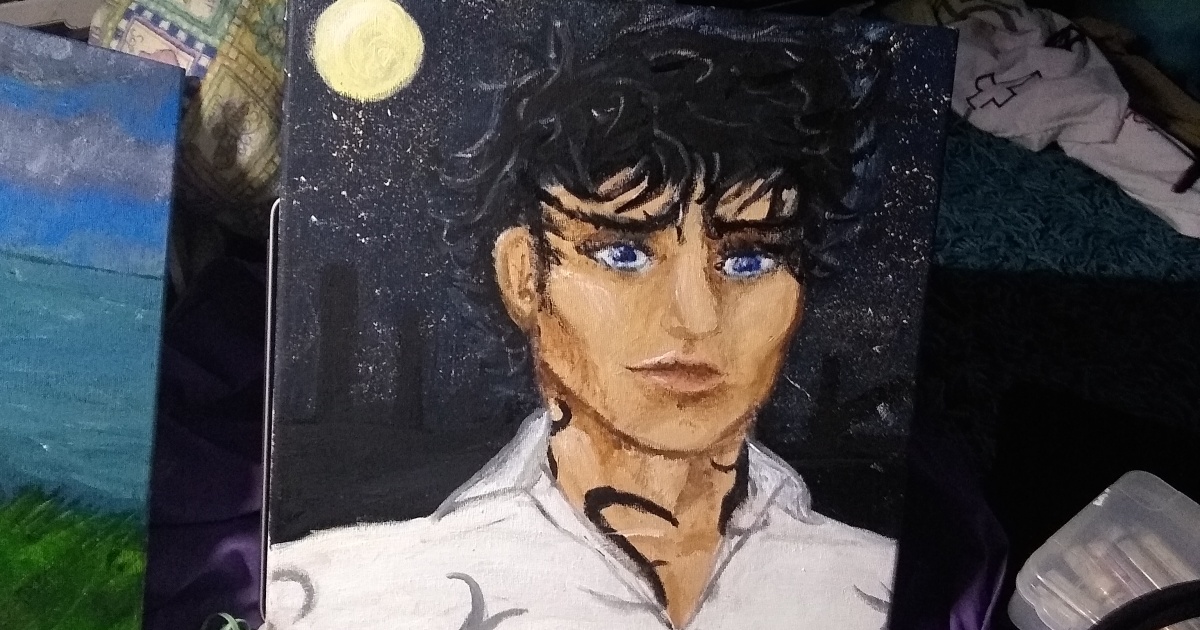
This is an invitation to share a painting that makes you proudnot necessarily the most technically perfect piece you have ever created. Show us the watercolor that survived three muddy washes, the portrait that finally resembled your dog, or the abstract canvas your relatives keep studying sideways. Every proud painting carries a story, and we want to see yours.
What Does It Mean to Be Proud of a Painting?
Pride in artwork is personal. One artist may celebrate a flawlessly controlled oil portrait, while another treasures a lopsided sunflower painted during a difficult weekend. Technical ability matters, but it is only one part of the picture.
A painting can make you proud because it captures a memory, communicates an emotion, marks visible improvement, or proves that you finished something instead of leaving it in the mysterious drawer where unfinished creative projects go to form a small civilization.
The American Psychological Association describes creativity as producing or developing original work, ideas, techniques, or thoughts. That definition leaves plenty of room for beginners, hobby painters, professional artists, and people who bought acrylics yesterday because the colors looked cheerful.
Pride Is Not the Same as Perfection
Perfection asks whether every proportion, edge, shadow, and color transition is correct. Pride asks a broader question: did this painting accomplish something meaningful?
Maybe you attempted reflections for the first time. Perhaps you painted on a larger canvas, used a palette knife, or resisted the urge to “fix” one more detail at 1:17 a.m. A proud painting often represents progress rather than flawlessness. Sometimes the breakthrough is visible in the finished image; sometimes it is hidden in the courage required to make it.
Why Sharing Your Artwork Matters
Painting can be wonderfully absorbing, but it can also become lonely. An artist spends hours making dozens of tiny decisions, then places the finished canvas against a wall and wonders whether anyone else will understand what happened there.
Sharing closes that gap. Viewers may notice a color relationship, mood, or detail the painter had stopped seeing. A painting inspired by one person’s childhood kitchen might remind someone else of a grandmother’s house. The experiences are different, yet the image becomes a meeting place.
Research highlighted by the National Endowment for the Arts has examined positive associations between arts engagement and social connectedness. That makes intuitive sense: creative work gives people something sincere to discuss besides traffic, weather, and why every charging cable disappears precisely when needed.
Sharing may also help an artist recognize personal growth. A painting that feels ordinary today could become important when compared with work made six months from now. Art records changes in observation, confidence, technique, and taste.
What Can Make a Painting Memorable?
There is no universal formula for a successful painting. If there were, every art store would sell it in a tube between titanium white and burnt sienna. Memorable paintings can nevertheless share several qualities.
A Clear Point of Interest
A focal point gives the viewer somewhere to enter the composition. It might be a brightly lit face, a sharp architectural edge, a red umbrella in a gray street scene, or the calmest area inside a storm of abstract marks.
The focal point does not have to sit in the center like it is posing for a passport photo. Placement, contrast, color, detail, and surrounding space can direct attention more naturally.
Color That Creates a Mood
Color can suggest temperature, distance, rhythm, memory, and emotion. The Smithsonian American Art Museum notes that Alma Thomas used color in ways that could evoke motion, music, temperature, and even scent. Her example reminds us that color does more than label objects. A tree does not always need to be green, especially if the emotional truth of the scene is purple.
Limited palettes can create harmony, while complementary colors add energy. Muted colors may produce nostalgia or quiet; saturated hues can make the same subject feel celebratory, electric, or slightly caffeinated.
Evidence of Thoughtful Decisions
Spontaneous-looking paintings are not always spontaneous. Conservation research into Alma Thomas’s work revealed detailed underdrawings, guide lines, and planned color placement beneath her energetic brush marks. Her paintings show that careful structure and visual freedom can coexist.
Planning might involve thumbnail sketches, value studies, reference photographs, or color tests. It may also happen directly on the canvas through revision. The important thing is that major choices support the experience the artist wants to create.
A Personal Point of View
Two artists can paint the same bowl of lemons and produce completely different results. One may focus on precise reflected light. Another may exaggerate the yellow until the fruit resembles a collection of tiny suns. A third may paint the bowl empty because someone ate the reference material.
Your artistic voice develops through repeated choices: the subjects you return to, the details you emphasize, the colors you favor, and the emotions you permit into the work. It is less like discovering a secret brand identity and more like noticing a trail you have been leaving all along.
How to Share a Painting You’re Proud Of
A thoughtful presentation helps viewers experience the painting as clearly as possible. You do not need a professional studio, expensive camera, or dramatic photograph of yourself staring into the middle distance. A little preparation is usually enough.
Take a Clean, Accurate Photograph
Photograph the painting in bright, even, indirect light. Place the camera parallel to the artwork so the canvas does not appear wider at one end. Avoid glare, harsh shadows, cluttered backgrounds, and filters that turn your quiet landscape into radioactive candy.
Guidance from Artwork Archive emphasizes accurate positioning, appropriate lighting, and careful editing when documenting artwork. Capture one full view and several close-ups if texture, brushwork, or tiny details are important.
Include the Essential Details
Give viewers a useful caption containing the title, medium, dimensions, and year. If the painting is untitled, that is perfectly acceptable, although “Untitled No. 47” may eventually make your inventory system sigh audibly.
You might also explain:
- What inspired the painting
- How long you worked on it
- Which materials or techniques you used
- What challenged or surprised you
- Why this particular piece makes you proud
Keep the description conversational. Artist statements do not require a fog machine. Resources from Creative Capital encourage artists to communicate their work clearly through statements, documentation, work samples, and other professional materials.
Ask for the Kind of Response You Want
“What do you think?” can produce anything from thoughtful analysis to a lone thumbs-up emoji. A focused question usually invites more helpful responses.
Try asking whether the focal point is clear, how the color palette affects the mood, which area feels strongest, or what story viewers imagine. If you are not looking for criticism, say so. Sharing a personal painting does not automatically enroll you in a surprise examination.
How to Comment on Someone Else’s Painting
An art-sharing community becomes valuable when people respond with curiosity and respect. Helpful feedback describes what the viewer notices before declaring what the artist should change.
Instead of writing, “The background is wrong,” try, “The strong contrast in the background pulls my attention away from the figure.” That observation is specific, explains its effect, and leaves the artist free to decide whether the effect was intentional.
The New York Foundation for the Arts recommends building relationships with creative peers through critique groups, studio conversations, exhibitions, and artist events. Good critique is not a verdict from the Supreme Court of Paint. It is an exchange of information.
A balanced response might include:
- One element that immediately holds your attention
- One emotion, memory, or question the painting creates
- One technical choice that appears effective
- One constructive suggestion, if the artist requested critique
Avoid rewriting the painting according to your preferences. “I would have painted a horse” is rarely useful when the subject is a lighthouse.
The Creative Benefits of Making Art
The value of painting is not limited to producing an attractive object. The process itself can involve concentration, experimentation, emotional expression, decision-making, and playful problem-solving.
In a small study reported by Drexel University, 39 adults participated in 45 minutes of art-making. Researchers observed a statistically significant reduction in cortisol levels, and the results did not depend on participants having previous art experience. The study was limited in size and should not be treated as a medical prescription, but it offers an interesting reminder: you do not have to be highly trained to benefit from creative activity.
The National Endowment for the Arts also summarizes research connecting arts participation with outcomes involving mood, communication, coping, and well-being across different populations. Painting is not a substitute for professional health care, but it can be a meaningful part of an emotionally nourishing life.
Creative skill also grows through practice. Reviewing experiments, revisiting subjects, and producing multiple versions can teach more than waiting for a single brilliant idea. Inspiration enjoys making a grand entrance, but steady habits are usually the crew doing the actual work.
Protect the Painting After You Share It
If the painting matters to you, document and store it carefully. Keep a high-resolution photograph along with its title, date, dimensions, medium, and any notes about materials or varnish. This record becomes useful if the work is sold, gifted, exhibited, damaged, or rediscovered years later behind a suspiciously large stack of canvases.
Display paintings away from direct sunlight, heating vents, damp areas, and frequent temperature or humidity changes. The Library of Congress explains that light damage is cumulative and that both exposure intensity and duration matter. Works on paper, including watercolors, generally need especially careful protection from strong light and moisture.
For valuable, fragile, mold-damaged, or historically significant work, consult a qualified conservator rather than testing an enthusiastic cleaning trick from social media.
Painting Experiences Worth Celebrating
The following representative experiences show why artists may feel proud of paintings for very different reasons. They are not tales of overnight fame or magical brushes. They are the quieter victories that frequently keep people creating.
The First Painting After a Long Break
Imagine someone who loved art in school but stopped painting when work, family responsibilities, and daily life filled the calendar. Twenty years later, they purchase a modest watercolor set and paint a view from the kitchen window.
The perspective is uncertain. One flower appears large enough to have its own gravitational field. Yet the finished page represents a return to something that once brought joy. Pride comes from beginning again without demanding that dormant skills immediately perform a Broadway revival.
That first painting can become a doorway. It may lead to weekly practice, a local class, or simply an hour of quiet on Sunday mornings. The artwork matters because it proves the creative part of the person was not lost; it was merely waiting for a clean cup of water.
The Portrait That Finally Feels Alive
Portrait painting can be humbling. A fraction of an inch can turn a familiar smile into the expression of someone who has just received extremely confusing news.
An artist may spend months studying proportion, value, skin tones, edges, and anatomy before completing a portrait that feels emotionally recognizable. Perhaps the nose is still imperfect, but the posture and eyes capture the subject’s patience or humor.
The proudest element may be a tiny passage: the cool shadow beside the cheek, reflected light under the chin, or one confident stroke in the hair. Those details become evidence that observation and persistence are beginning to cooperate.
The Painting Made During a Difficult Season
Some paintings are valuable because they hold emotions that were difficult to express directly. A landscape painted during grief might contain an empty road, a heavy sky, and a narrow band of light. To another viewer, it is simply a landscape. To the painter, every choice carries private weight.
Finishing such a piece does not solve the underlying loss, but it can give shape to an experience that previously felt shapeless. Pride may come from honesty rather than beauty. Sharing the painting can also allow viewers to respond to its mood without requiring the artist to explain every personal detail.
The Happy Accident That Changed Everything
Every painter eventually makes a mistake with excellent public-relations skills. A drip runs through a carefully rendered area. Two colors mix into an unexpected gray. A palette knife removes paint and reveals a fascinating layer underneath.
Instead of repairing the accident, the artist follows it. More scraped passages appear. The composition becomes looser, stranger, and more energetic than planned. The result may mark the beginning of a new visual language.
This experience teaches an important creative lesson: control is useful, but discovery requires room for surprise. Sometimes the painting has a better idea than the painter.
The Small Painting That Connected Two People
A hobby artist might paint a modest picture of a neighborhood diner, an old family house, or a pet sleeping in a favorite chair. After sharing it, someone recognizes the location or emotion and tells a related story.
Suddenly, the painting is no longer only an exercise in color and shape. It has connected two sets of memories. The artist may realize that ordinary subjects are not actually ordinary; they are containers for experiences people rarely discuss until an image gives them permission.
That kind of response can be more rewarding than a technically sophisticated compliment. It confirms that the painting traveled successfully from one imagination into another.
Show Us the Painting That Matters to You
Your proudest painting does not need gallery lighting, an auction estimate, or approval from a stern person wearing very small glasses. It only needs to represent something worth celebrating.
Share the polished portrait, the chaotic abstract, the tiny landscape, or the brave first attempt. Tell us what you painted, what happened along the way, and why the result matters to you. If one corner fought you for three days, we also want that story.
Creative communities grow stronger when people reveal both accomplishment and process. One shared painting may encourage a beginner to open a neglected sketchbook, help another artist reconsider an abandoned canvas, or give a viewer a few minutes of genuine delight. That is already a respectable achievement for some pigment on a surface.